 Contact Us

Table of Contents

Contact Us
Updated 2 weeks ago
Nylon vs Polyester for Activewear: Which Is Better?
arafatshuvo
There is no single winner: nylon-spandex blends usually feel softer and recover better after stretching, while polyester-spandex blends manage moisture well, dry faster, take sublimated prints cleanly and often cost less. The deciding factor is what the garment must do first, so leggings and sports bras often lean nylon-spandex, while high-sweat or sublimated shorts often lean polyester-spandex.
Key takeaways
- Nylon-spandex is positioned for a softer hand feel and stronger stretch recovery; polyester-spandex is positioned for moisture management and print and colour retention, according to Spandexbyyard's blend comparison.
- Polyester's lower moisture absorption and faster drying are the usual reasons it dominates high-sweat training wear, but the published figures are source-reported rather than fabric specifications.
- Minghang Garments' fabric guide maps nylon-spandex to leggings, sports bras and fitted activewear, and polyester to training tops, shorts, jackets and performance apparel.
- Fibre name alone does not decide performance: yarn, knit structure, fabric weight, finishing and elastane content change the result.
- There is no universal winner. The choice follows the garment's top priority and is confirmed on a sample, not on a label.
Is Nylon or Polyester Better for Activewear?
Neither fibre is better in every case. Nylon-spandex is the stronger default when hand feel, stretch and recovery matter most, while polyester-spandex is the stronger default for moisture management, drying speed and print compatibility. Fabric construction can override both.
Nylon, also called polyamide, is a synthetic fibre; polyester is a separate synthetic fibre family. They behave differently in a stretch knit because of how each fibre takes up moisture, holds colour and returns to shape after stretching.
According to Spandexbyyard's nylon-spandex versus polyester-spandex comparison, nylon blends feel softer and deliver stronger stretch recovery, while polyester blends hold print and colour better and handle moisture more effectively. That is the core trade-off behind almost every product-level decision on this page.
Cost follows the same pattern but with a caveat. Polyester is generally positioned as the more economical route, yet fabric price is driven by yarn, knit structure, weight, finishing and elastane content rather than the fibre name alone. Treat polyester as usually cheaper, then confirm pricing with your supplier on the exact construction you intend to produce. This page does not quote fabric prices.
One limit applies throughout: every claim below describes a fibre family in general terms. A light, moisture-managing nylon knit and a heavy nylon knit can behave very differently on the body.
Nylon Spandex vs Polyester Spandex: How Do the Blends Differ?
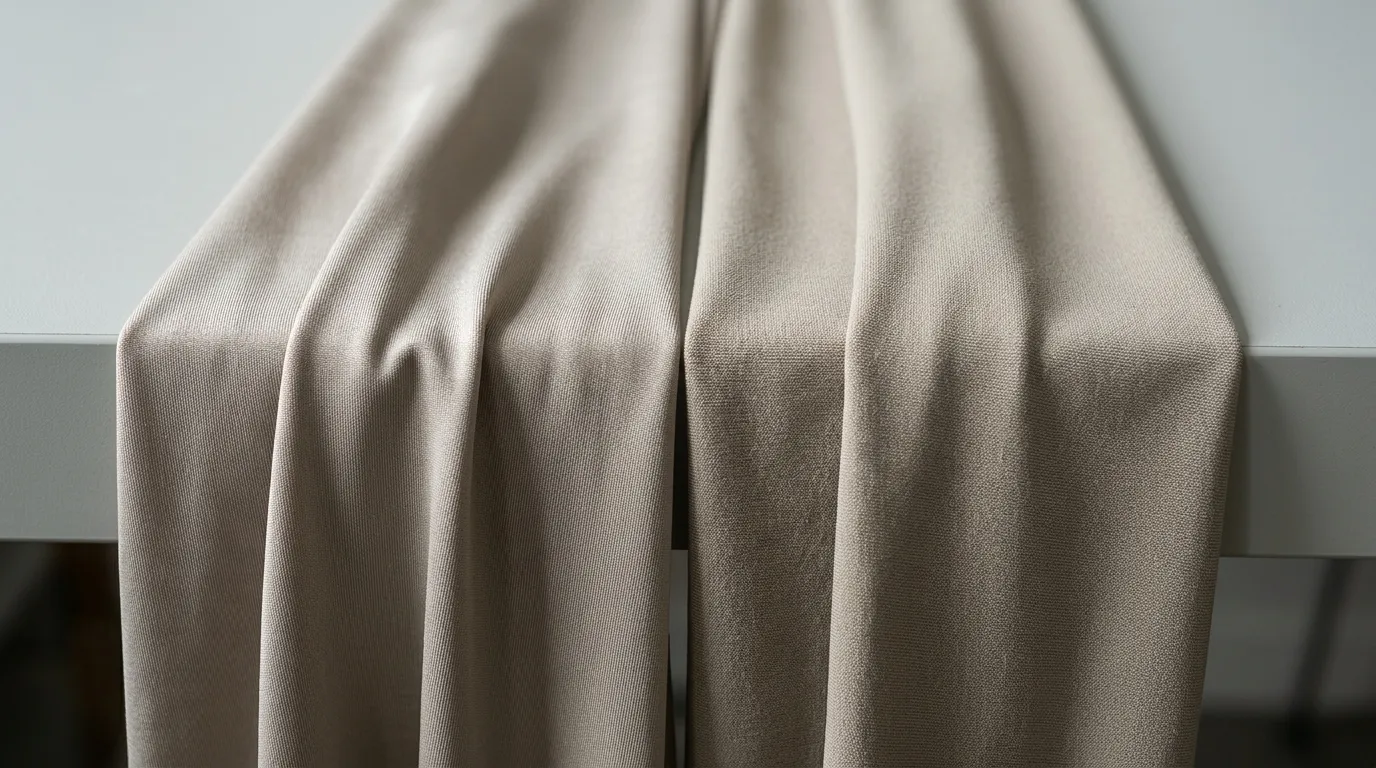
Nylon-spandex tends to feel softer and recover better after stretching, while polyester-spandex is positioned for moisture management and print and colour retention. Both are stretch knits, so elastane content and knit structure shift the result as much as the fibre base does.
Spandex, also called elastane, is the stretch component in these blends. Its percentage changes how much a fabric stretches and how quickly it returns to shape, which is why two fabrics with the same fibre base can feel completely different.
- Hand feel: Nylon-spandex is described by Spandexbyyard as the softer option; polyester-spandex reads firmer and drier against the skin.
- Stretch and recovery: Nylon-spandex shows stronger recovery in the same comparison; polyester-spandex stretches well, with recovery varying by elastane content.
- Moisture: Polyester-spandex is the stronger performer; nylon-spandex absorbs more and can feel damp for longer.
- Print and colour: Polyester-spandex holds print and colour better, which matters most for sublimated designs.
- Cost positioning: Polyester usually sits lower on price; confirm on your construction rather than assuming.
Which Blend Is Better for Leggings, Sports Bras and Shorts?
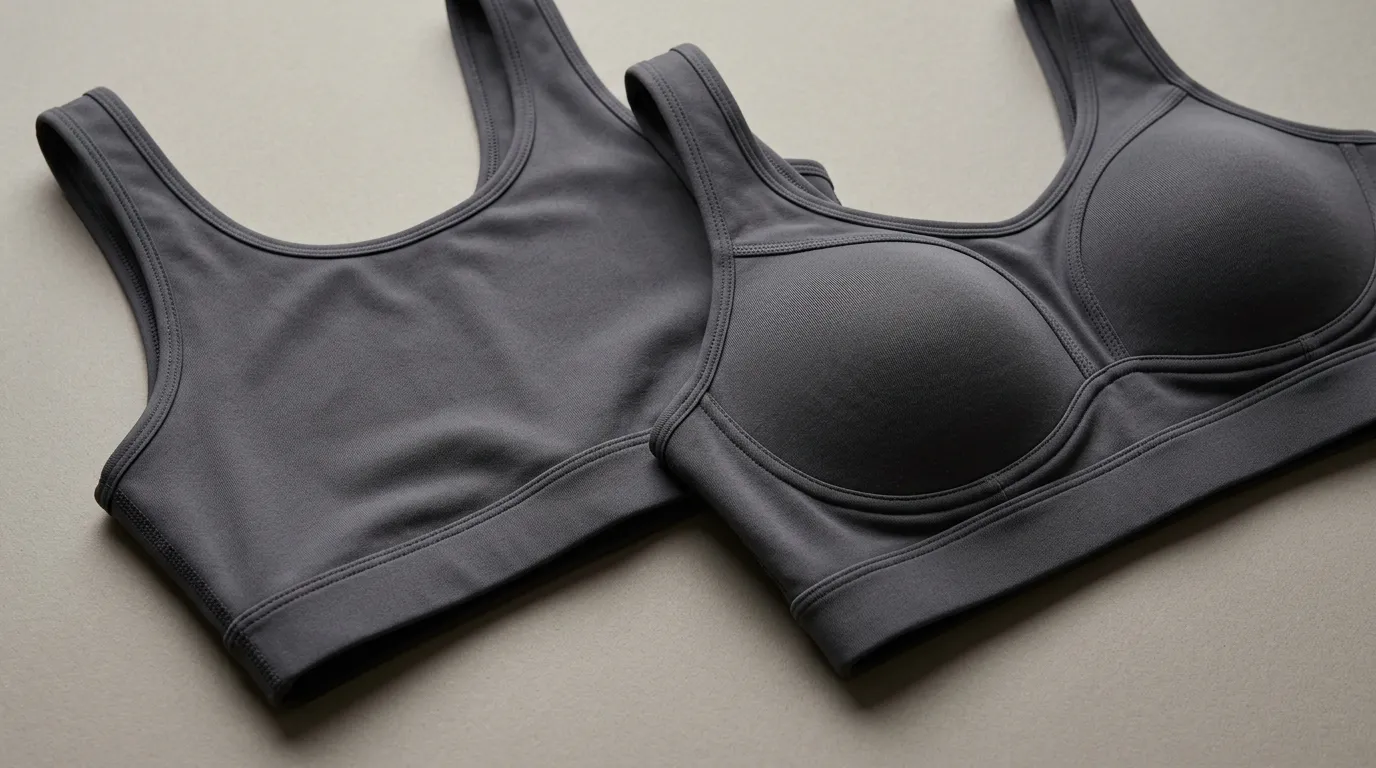
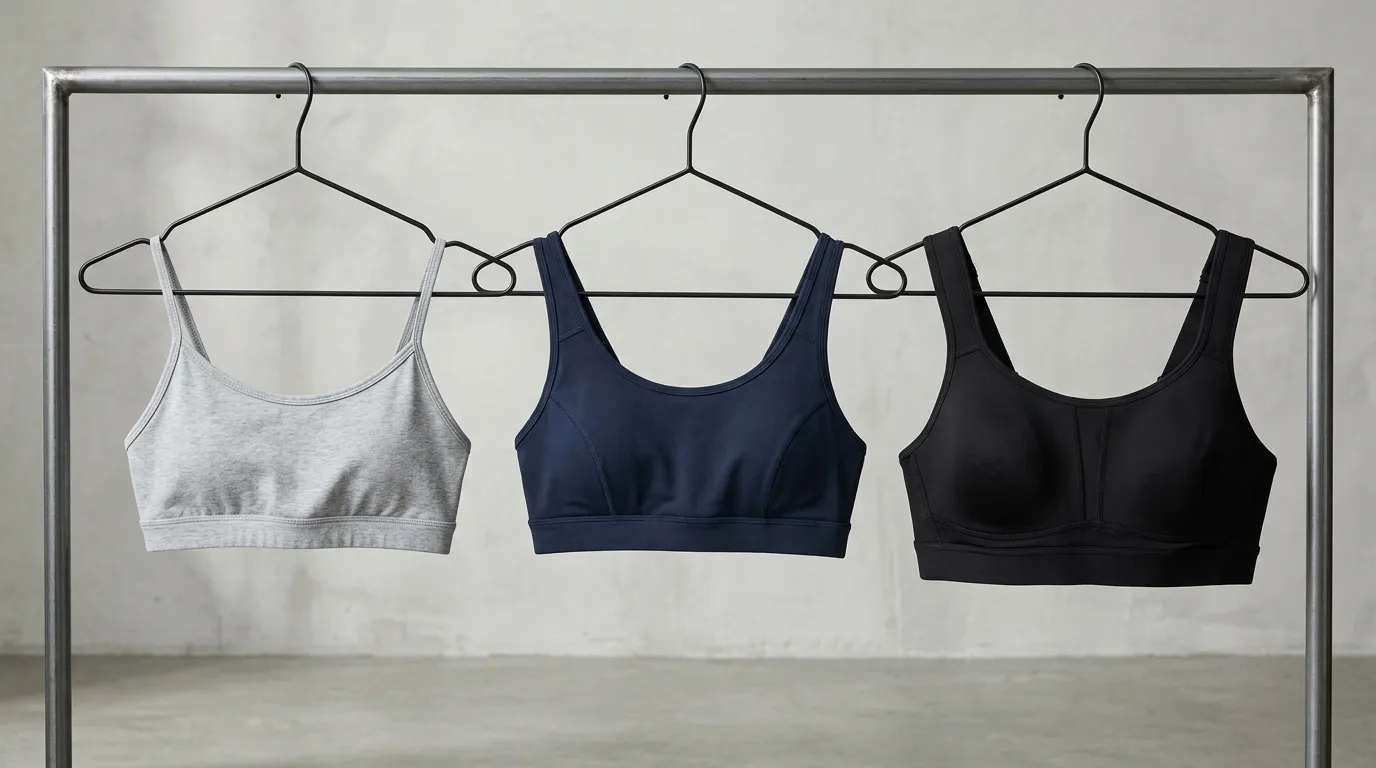
Leggings and sports bras usually favour nylon-spandex, because softness, hold and shape recovery matter most against the skin. Shorts, especially high-sweat or sublimated styles, often favour polyester-spandex for moisture behaviour and print clarity.
That mapping follows Minghang Garments' fabric guide, which places nylon-spandex with leggings, sports bras and fitted activewear, and polyester with training tops, shorts, jackets and performance apparel. It is a starting point, not a rule, because the garment's priority decides.
| Garment | What matters most | Likely blend | Why | Confirm on sample |
|---|---|---|---|---|
| Leggings | Softness, hold, shape recovery | Nylon-spandex | Softer feel and stronger stretch recovery (Spandexbyyard) | Check opacity, recovery and squat stretch |
| Sports bras | Softness, hold, stretch recovery | Nylon-spandex | Comfort against skin plus recovery under tension | Check support, stretch and edge stability |
| Shorts (high sweat or sublimated) | Moisture, drying, print clarity | Polyester-spandex | Handles moisture and holds print and colour (Spandexbyyard) | Check print clarity and damp feel after wear |
| Training tops (contrast) | Moisture, drying, cost | Polyester | Minghang Garments' fabric guide maps polyester to training tops | Verify with the supplier for your construction |
If your leggings sell on a buttery, second-skin feel, the nylon-spandex route is the more natural fit; if they sell on compression for high-sweat training, test both before deciding. The most common mistake here is choosing on fibre name alone and then discovering the knit structure, not the fibre, controls how the finished legging feel.
Which Fabric Manages Moisture and Dries Faster?
Polyester is normally the faster-drying, lower-absorbency option, which is why it dominates high-sweat training wear. Nylon absorbs more moisture and can feel damp for longer.
Spandexbyyard describes polyester's moisture behaviour as its main strength for high-sweat activewear and notes that nylon takes up more moisture and may dry more slowly. The figures below come from Wooter's polyester versus nylon comparison and are that article's stated numbers.
| Measure | Polyester | Nylon | Source | Status |
|---|---|---|---|---|
| Moisture absorption | 0.4% | 2–5% | Wooter | Source-reported; no test protocol visible |
| Drying speed | 10–30% faster than nylon | — | Wooter | Source-reported; no test protocol visible |
Read those figures as directional, not as fabric specifications. Wooter's article does not show the test method behind them, and finished-fabric performance also depends on knit structure, weight and any moisture-management finishing applied to the fabric. For a garment where sweat management is the main selling point, compare damp-dry behaviour on your own swatches rather than relying on published percentages.
Which Blend Is Better for Sublimation and Printed Activewear?
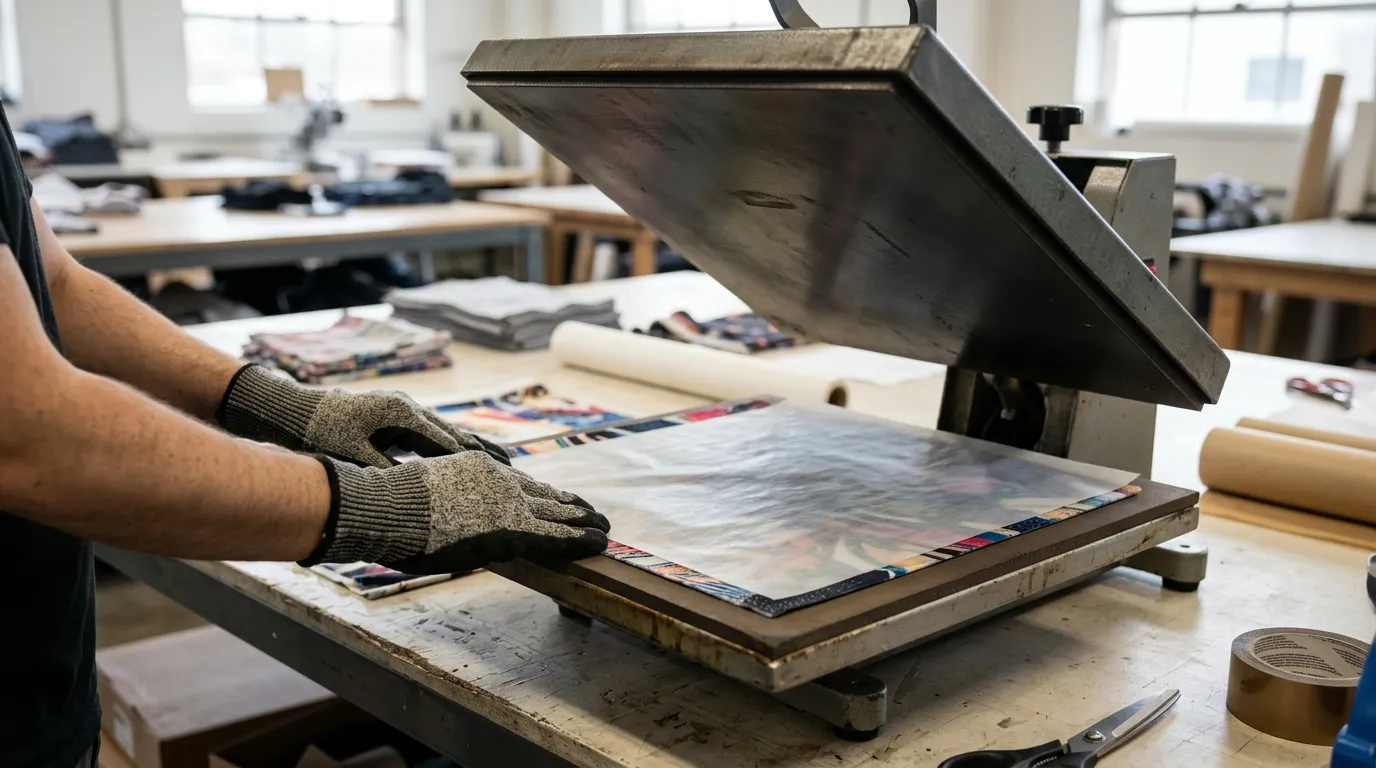
Polyester-spandex is the standard choice for sublimation, because the dye bonds into polyester fibres and holds colour well. Nylon-spandex is a harder base for sublimation and usually suits other decoration routes.
Minghang Garments' guide to best printing methods for custom t shirts explains that sublimation bonds dye within polyester fibres, which is why polyester coverage matters for all-over prints. Spandexbyyard's comparison reaches the same conclusion from the fabric side: polyester blends hold print and colour better than nylon blends.
For a printed activewear range, this single factor often decides the blend before comfort is considered. If the design relies on sharp all-over graphics with no hand feel from the print, polyester-spandex is the practical route. If the design is small logos on a soft nylon-spandex base, printing is usually handled by another method and the fibre choice can follow comfort instead.
Is One Fibre Always More Durable?
No. Durability splits into three separate questions — abrasion, colour retention and shape retention — and each one has a different answer. Polyester-spandex is generally stronger on print and colour retention, nylon-spandex on softness and stretch recovery, and abrasion depends mostly on the knit rather than the fibre.
Abrasion
The evidence does not support a fibre-level abrasion figure. Abrasion life follows knit structure, yarn and finishing, so any claim that one fibre "wears longer" needs qualification. Confirm abrasion expectations with your supplier against the intended construction and end use.
Colour retention
Polyester-spandex holds print and colour better than nylon-spandex according to Spandexbyyard, which matters for dyed and printed activewear that will be washed repeatedly.
Shape retention and recovery
Nylon-spandex shows stronger stretch recovery in the same comparison, so it tends to hold its shape better in fitted styles such as leggings and sports bras.
What Determines Performance Besides the Fibre Name?
Yarn, knit structure, fabric weight, finishing and elastane content all change how a nylon or polyester blend feels and performs. The same fibre name can produce two very different fabrics.
Minghang Garments' activewear fabric guide makes this point directly: performance depends on yarn, knitting structure, fabric weight, finishing and elastane content, not composition alone. Read every fibre-level claim on this page with that in mind.
- Yarn: filament count and texture change surface feel and sheen.
- Knit structure: decides stretch direction, opacity and how the fabric behaves under tension.
- Fabric weight: sets the balance between coverage and breathability.
- Finishing: moisture-management treatments and surface finishes alter drying and hand feel.
- Elastane content: controls how far the fabric stretches and how well it returns.
Two mills can supply identical fibre content and deliver very different activewear. That is why the fibre comparison above is a starting filter, not a final specification.
How Should You Compare Fabric Samples Before Committing?
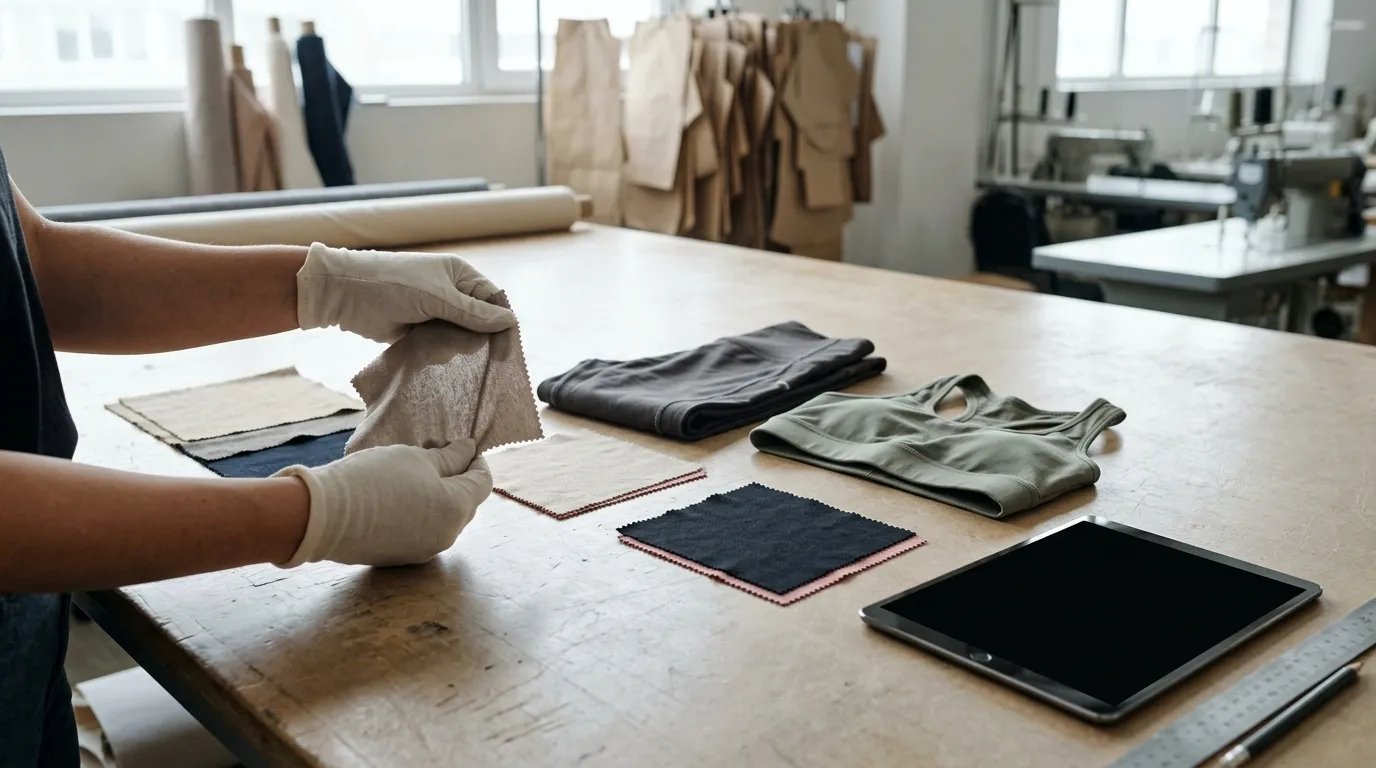
Judge samples against the garment's priority, not the fibre label. Compare hand feel, stretch and recovery, moisture behaviour, opacity and hold, and the print or colour result on the actual construction before approving bulk production.
- State the garment's single top priority — feel, support, sweat management or print quality.
- Request nylon-spandex and polyester-spandex in the intended knit, weight and elastane content.
- Compare hand feel alongside stretch and recovery, watching for growth after repeated stretching.
- Check moisture behaviour, opacity in the areas that stretch most, and how the fabric holds its shape.
- Confirm the print or colour result on the real construction, then approve against those criteria.
This is a practical selection check rather than a standardised laboratory test, and it does not replace supplier or third-party testing. It does, however, catch the most expensive mistake early: approving a fabric on fibre name and discovering the construction does not suit the garment.
Minghang Garments is a custom clothing manufacturer in Dongguan, China, operating since 2017, offering OEM, ODM and private label production with fabric and trim sourcing, pattern making and sampling. Sampling takes 7–15 working days, bulk production 25–45 days, and MOQ starts from 100 pcs per color per style on stock fabric — so if you want both blends quoted on the same construction, that is a realistic way to compare them side by side.
Is nylon or polyester better for hot summer workouts?
Polyester-spandex is usually the more comfortable choice in heat, because it absorbs less moisture and dries faster; Spandexbyyard describes moisture management as polyester's main strength, and Wooter reports polyester drying 10–30% faster than nylon. Light, moisture-managing nylon-spandex knits can still work well. Confirm on a sample rather than by fibre name alone.
Is polyester always cheaper than nylon?
No. Polyester is generally positioned as the more economical option, but fabric cost follows yarn, knit structure, weight, finishing and elastane content rather than the fibre name alone. Ask for pricing on both blends in the exact construction you plan to produce, so the comparison is like-for-like.
-
Share
-

-

-