 Contact Us

Table of Contents

Contact Us
For most leggings, a practical starting range is 200–260 GSM, but the best weight depends on use. Yoga leggings often sit around 240–280 GSM, general gym and training leggings around 220–280 GSM, and compression leggings around 260–300 GSM. GSM alone does not guarantee opacity or squat-proof performance — fabric construction, fibre blend, stretch and colour also matter.
Key takeaways
- According to Sportek's activewear guide, 200–260 GSM is common for high-quality leggings; other sources give overlapping ranges.
- Spandexbyyard's legging guide suggests 240–280 GSM for yoga leggings and roughly 280–360 GSM for compression leggings.
- Gymhur's product table lists 200–240 GSM for yoga and casual leggings, 240–280 GSM for performance and gym leggings, and 260–300 GSM for compression leggings.
- Higher GSM does not automatically make a legging squat-proof; knit density, fibre, stretch and colour change how a fabric covers the body.
- Heavier fabric usually feels warmer and more supportive, while lighter fabric usually breathes better.
What GSM Is Best for Leggings? Quick Answer by Use
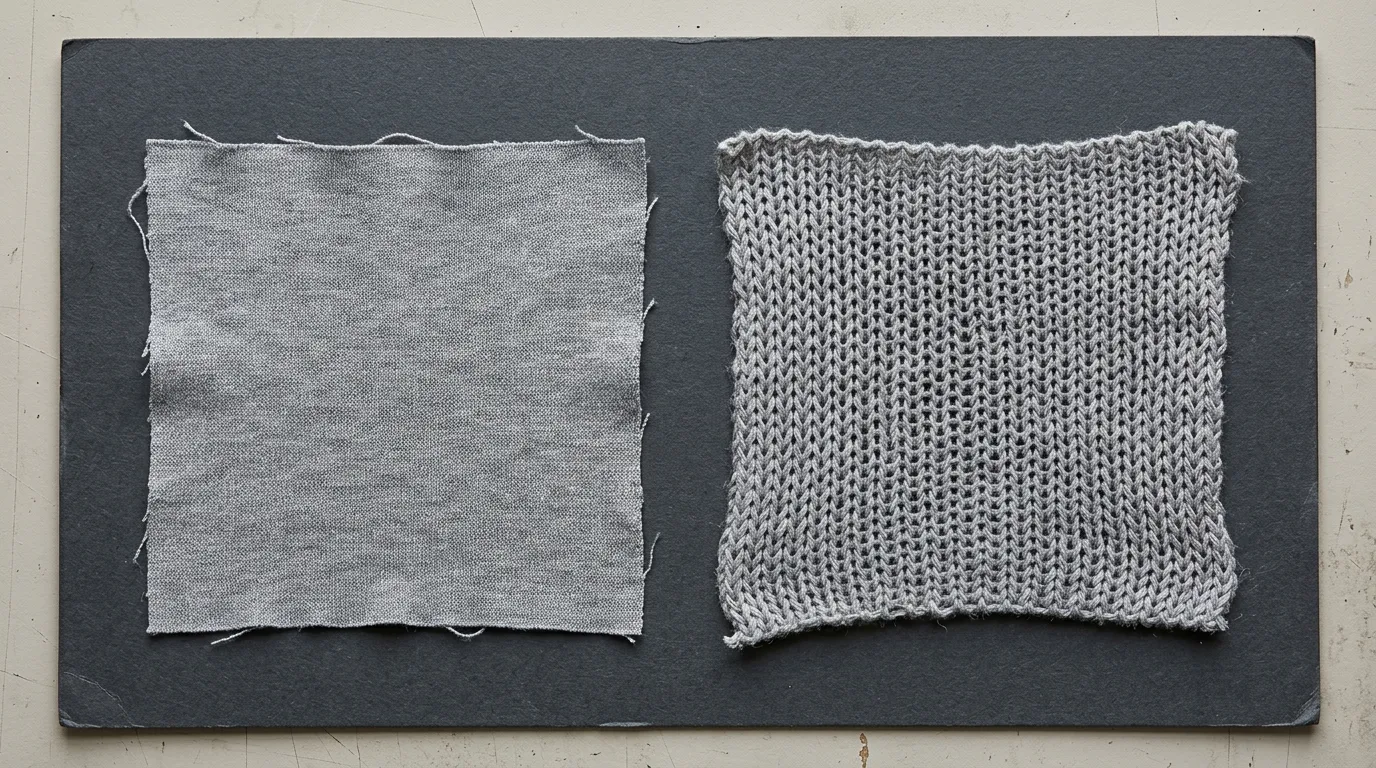
For most leggings, 200–260 GSM is a useful starting range, with the exact figure set by the intended activity. Yoga leggings often sit around 240–280 GSM, general gym and training leggings around 220–280 GSM, and compression leggings around 260–300 GSM. Published ranges overlap, and construction matters as much as the number.
| Use case | Practical GSM range | Source examples | Caveat |
|---|---|---|---|
| Everyday and casual | About 180–250 GSM | Spandexbyyard's stretch-fabric guide lists 180–250 GSM for standard leggings and yoga pants | Lighter weights can feel less supportive |
| Yoga | About 240–280 GSM | Spandexbyyard's legging guide gives 240–280 GSM; Gymhur's table lists 200–240 GSM for yoga and casual leggings | The two ranges overlap; confirm coverage on a stretched swatch |
| General gym and training | About 220–280 GSM | Gymhur lists 240–280 GSM for performance and gym leggings; MMS Clothing states activewear legging fabrics often perform best around 220–280 GSM | A higher weight is not automatically squat-proof |
| Compression | About 260–300 GSM | Gymhur lists 260–300 GSM; Spandexbyyard's legging guide suggests roughly 280–360 GSM | Compression comes from construction and fit, not from weight alone |
Sportek's activewear guide puts 200–260 GSM in the common range for high-quality leggings, and FittDesign's explainer gives the same 200–260 GSM band. FittDesign also cites an example of roughly 220–230 GSM for a Lululemon Align legging, but that is the page's own example rather than verified product data. Fibre choice shifts the numbers further: Thygesen Apparel's legging fabric guide gives cotton-blend legging fabric at around 180–250 GSM and nylon-blend activewear fabric at around 250–320 GSM.
The spread in these figures is not a contradiction. Grams per square meter describes mass, and two fabrics with the same mass can be knitted at different densities, blended with different fibres, and finished to different stretch levels. A reader comparing leggings across a range will often see two pairs with similar GSM that behave very differently on the body.
The practical rule is to treat the range as a starting filter, then confirm the fabric against the activity. If a supplier quotes a single number as the answer for every style, ask how the fabric behaves when stretched. Yoga coverage is a different requirement from compression support, and the same 240 GSM fabric can serve both or neither depending on how it is built. Readers weighing yoga coverage against general activewear fit can compare yoga pants vs leggings before choosing a target weight.
What Does GSM Mean for Leggings Fabric?
GSM stands for grams per square meter, and it measures the mass of one square meter of fabric. Sportek's activewear guide defines it this way. Leggings fabric weight, expressed in GSM, is therefore a weight indicator rather than a direct measure of thickness, opacity, stretch or compression.
That distinction matters because GSM is often marketed as a quality signal. A 300 GSM fabric is not automatically denser, warmer or more durable than a 250 GSM fabric of a different knit. GSM tells you how much material sits in a square meter; it does not tell you how that material is arranged.
How GSM Affects Breathability, Warmth and Support
Heavier leggings fabric usually feels warmer, denser and more supportive, while lighter fabric tends to breathe better and feel cooler. Sportek's activewear guide links fabric weight to these performance effects. The trade-off is not automatic, because knit structure and fibre blend change how a given GSM behaves against the skin.
Two practical consequences follow. First, a high-GSM legging built for cold-weather training can feel uncomfortable in a hot studio, even though the coverage is excellent. Second, a lower-GSM legging in a dense knit with good recovery can feel more supportive than a heavier fabric in a looser construction.
Minghang Garments' activewear fabric guide makes the same point about balance: fabric choices should be weighed against comfort and performance together rather than optimised for one property. Buyers who fixate on a single GSM target often end up trading away breathability for a marginal gain in coverage.
Does Higher GSM Guarantee Squat-Proof Leggings?
No. GSM alone does not make a legging squat-proof. Opacity also depends on knit construction and density, fibre blend, stretch and recovery, colour, fit, and how the fabric behaves when it is stretched under load.
Spandexbyyard's stretch-fabric guide suggests around 220–250 GSM for more squat-proof gym leggings, which places its recommendation inside the general training range rather than at the heavy end. MMS Clothing notes that tighter construction and colour both affect opacity — two fabrics at the same weight can read very differently once stretched. The common mistake is to treat GSM as a proxy for coverage and skip the stretch test entirely.
The conditions that break the shortcut are predictable. A light colour in a thin knit can show through at a weight that works well in black. A high-stretch fabric can thin out under tension even when its flat GSM looks substantial. A lining, a seam placement or a gusset can change the result on the finished garment. That is why Minghang Garments' fabric guide recommends evaluating opacity on the finished garment rather than on the flat roll — the steps for doing that are set out in the next section.
How to Check Leggings Opacity Before You Buy or Produce
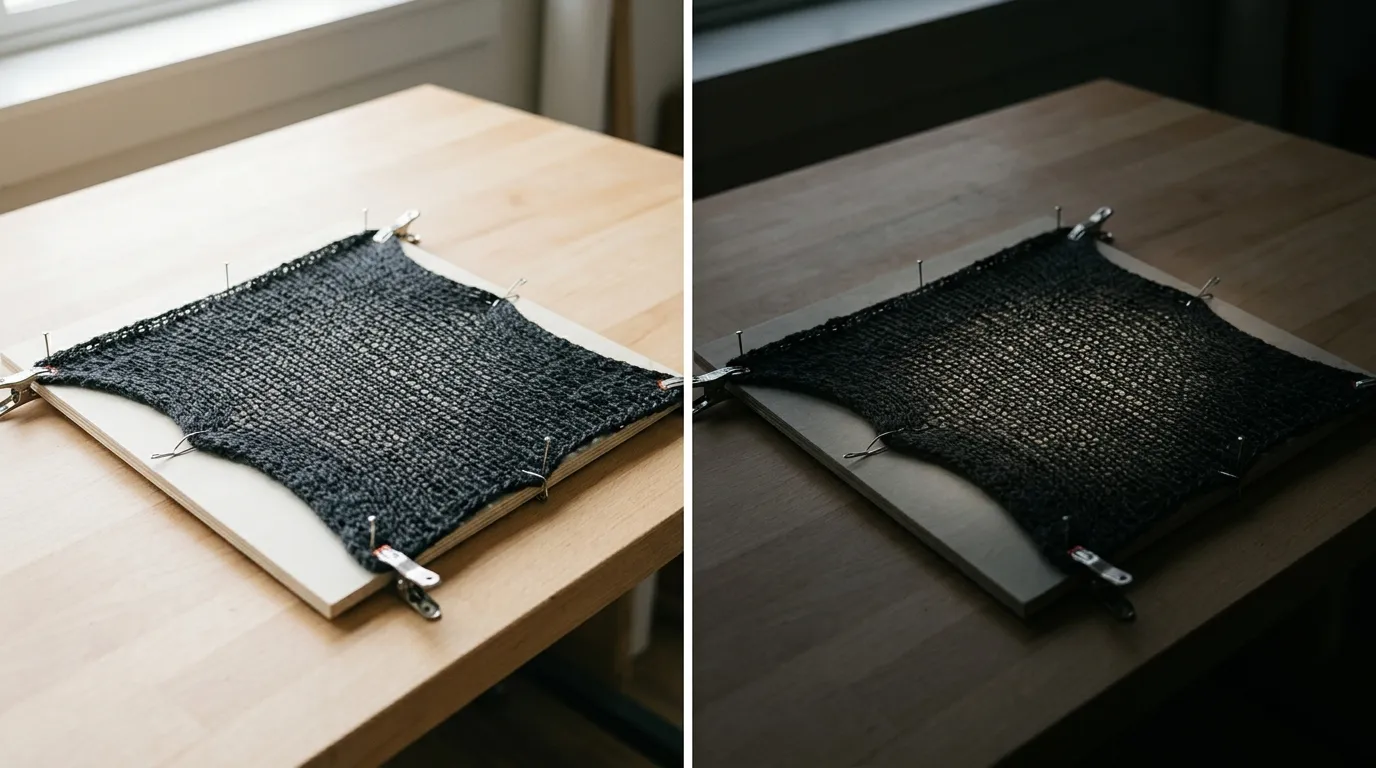
Opacity should be checked on stretched fabric or a finished sample, never on the flat roll. A flat swatch hides exactly the behaviour that matters: how the knit opens up when it is pulled across the body.
- Lay the fabric over a contrasting surface, such as a skin-tone or dark panel.
- Stretch it to the garment's working stretch, not just flat.
- View it under both bright and dim light.
- Repeat the check on a finished sample in a squat or bend.
- Note how colour, lining and seam placement change the result.
Steps 1 to 3 test the material. Steps 4 and 5 test the garment, which is where most coverage problems actually appear. Minghang Garments' activewear fabric guide supports this finished-garment approach, and it applies whether the reader is buying a retail pair or approving a production sample.
Choosing a GSM for Your Leggings: A Decision Rule
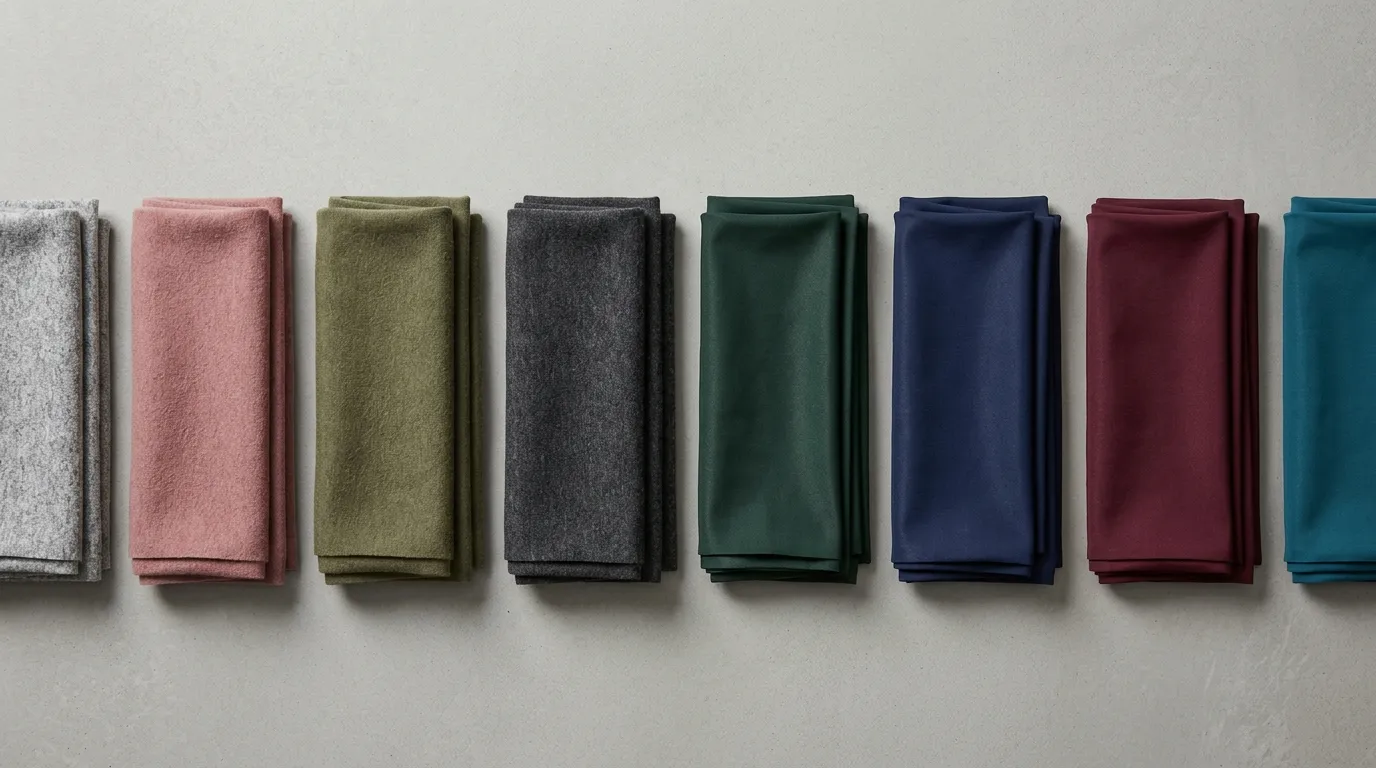
Start with the intended use, then confirm opacity and comfort on a real sample. Use 200–260 GSM as a baseline, move toward 240–280 GSM for yoga coverage, 220–280 GSM for gym wear, and 260–300 GSM for compression. Then verify the choice on a stretched swatch or finished sample before committing.
The rule matters more than the numbers, because every range in this article came from a different source with a different sample set. Treat the figures as informed starting points, not as a standard. A reader who tests one fabric at the chosen weight will learn more than a reader who compares five published tables.
For brands developing a pair from scratch, the same logic applies at the sampling stage. Minghang Garments is a custom clothing manufacturer based in Dongguan, China, operating since 2017, and its services include fabric and trim sourcing, sampling and bulk production for activewear. Brands that want the weight confirmed against their own design brief can review the gym leggings manufacturer service page and bring the opacity steps above to the sample review.
Is 200 GSM good for leggings?
Yes, for lighter yoga and everyday pairs. Spandexbyyard's stretch-fabric guide lists 180–250 GSM for standard leggings and yoga pants, so 200 GSM sits inside that band. Construction still governs coverage: a 200 GSM fabric in a dense knit can cover better than a heavier fabric in an open knit.
Is 300 GSM too thick for leggings?
Not necessarily. Gymhur's table places 260–300 GSM in the compression range, so 300 GSM suits supportive training wear. It may feel warm for hot yoga or high-sweat sessions, because heavier fabric usually reduces breathability. Match the weight to the activity rather than treating 300 GSM as an upper limit.
Which is better for leggings, 180 GSM or 200 GSM?
Neither is universally better. The 20 GSM difference is small, and fibre, knit density and colour affect the finished legging more than that gap. Thygesen Apparel lists cotton-blend legging fabric at 180–250 GSM and nylon-blend activewear at 250–320 GSM, so the same number behaves differently by fibre.
Does GSM matter more than fabric type for leggings?
No, both matter. Thygesen Apparel's ranges show nylon-blend activewear fabric running around 250–320 GSM while cotton-blend legging fabric sits around 180–250 GSM. A single GSM target means different things across those two fibre families, so the weight and the fabric type should be chosen together.
-
Share
-

-

-