
 Contact Us
  Home /
Custom Hang Tags for Private Label Clothing Brands
Materials, Printing & Finishing Options for Private Label Apparel
Custom hang tags help apparel brands present product information, pricing, barcodes, QR codes and brand messaging in a consistent retail format.
Minghang supports custom paper stocks, shapes, printing, foil stamping, embossing, lamination, Spot UV and attachment options as part of the private label apparel production process.
Why Custom Hang Tags Matter for Apparel Brands
Hang tags are removable branding and product-information components attached to garments before retail or shipment. Although they are not part of the garment construction itself, they play an important role in product presentation and communication.
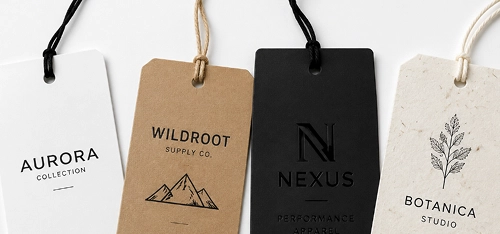
Brand presentation
Paper, color, typography, printing and finishing can be coordinated with the visual identity of the apparel collection.

Product information
Hang tags can display product names, sizes, pricing, barcodes, QR codes, collection information and selected product features.

Material communication
Brands may use hang tags to explain fabric characteristics, certifications or product stories where the claims are accurate and supported.

Retail & fulfillment support
Barcodes, SKUs, QR codes and other retail information can be incorporated according to the requirements of the brand, retailer or fulfillment provider.

Collection consistency
Hang tags can be coordinated with main labels, care labels, packaging and other branding elements to create a consistent private label presentation. At Minghang, hang tags are developed together with the garment program so size, artwork, material, finishing, attachment and packing requirements can be confirmed before bulk production.
Custom Hang Tag Materials
Coated Paper
Smooth surface with excellent color reproduction

Available Weights
Common options may include approximately 300–800 GSM, depending on the paper supplier and required construction.
Features
- Smooth coated surface suitable for detailed printing and high-resolution graphics
- Available in multiple thicknesses and finishes
- Compatible with many common hang-tag printing and finishing techniques
Advantages
- Good color reproduction for logos, graphics and product information
- Suitable for lamination, foil stamping, Spot UV and selected embossing applications
Limitations
- Surface coating and lamination can affect recyclability
- Lighter paper stocks may crease more easily during transport or handling
- Very thick constructions may require different hole-punching and attachment methods
Best for
- Streetwear, activewear, fashion collections and brands requiring detailed printed graphics.
Black Cardstock

Available Weights
250gsm, 350gsm, 400gsm
Features
- Black or dark-colored paper stock provides a strong base for minimalist or high-contrast branding
- Available in different thicknesses and surface finishes
Advantages
- Works particularly well with metallic foil, white ink and debossed or embossed logos
- Suitable for minimal designs with limited colors
Limitations
- Standard CMYK colors may appear less vivid on dark substrates without an appropriate white underbase
- Dark matte surfaces can show fingerprints, rubbing or surface marks depending on the paper finish
Best for
- Streetwear, premium activewear, outerwear and minimalist fashion branding.
Kraft Paper

Available Weights
200gsm, 280gsm, 350gsm
Features
- Natural brown paper appearance with a textured, uncoated surface
- Recycled-content or FSC-certified options may be available depending on the supplier and project requirements
Advantages
- Suitable for brands looking for a natural, understated or vintage visual style
- Works well with one-color printing, debossing, stamping and selected foil applications
Limitations
- Base paper color affects ink appearance, so printed colors may look darker or more muted than on white paper
- Rougher surfaces may reduce reproduction accuracy for very fine text or thin lines
- Sustainability claims should only be made when the applicable material certification or recycled-content information can be verified
Best for
- Lifestyle apparel, vintage-inspired streetwear, outdoor collections and brands seeking a natural paper aesthetic.
Water-Resistant Synthetic Paper

Available Weights
250gsm, 350gsm, 400gsm
Features
- Synthetic paper substrates can provide higher moisture resistance than conventional paper stocks
- Surface and hand feel vary according to the specific material and finishing
Advantages
- Suitable for environments where the hang tag may be exposed to moisture or repeated handling
- Generally provides higher tear resistance than many standard paper tags
Limitations
- Usually costs more than standard paper options
- Recyclability depends on the specific polymer, coatings and local recycling system
- The exact moisture and abrasion performance should be confirmed according to the selected material
Best for
- Swimwear, outdoor apparel, gym products and selected performance collections.
Silicone & Rubber Hangtags

Available Thickness
Common options are approximately 1–3 mm, depending on material, design and supplier capability.
Features
- Flexible molded construction
- Supports raised, recessed and dimensional logo effects
- Creates a different tactile appearance from conventional paper hang tags
Advantages
- Suitable for technical, sporty or dimensional branding concepts
- Can coordinate visually with silicone patches, rubber logos and other molded branding elements
Limitations
- Custom molds may be required
- MOQ and tooling costs are generally higher than standard paper hang tags
- Limited surface area makes this format less suitable for extensive product information
- Material, thickness and attachment method should be confirmed through sampling
Best for
- Activewear, sportswear, bags, accessories and selected limited-edition collections.
Ivory Board

Available Weights
250gsm, 350gsm, 400gsm
Features
- Warm off-white paper tone
- Smooth surface with a softer visual appearance than bright white coated stock
- Available in different weights and finishes
Advantages
- Suitable for understated and neutral branding systems
- Compatible with embossing, debossing, foil stamping and selected printing methods
Limitations
- Uncoated surfaces can be more susceptible to staining or handling marks
- Final color reproduction is affected by the natural ivory base tone
- Lamination or another protective finish can be evaluated where additional surface resistance is needed
Best for
- Minimalist fashion, womenswear, athleisure and lifestyle collections.


Custom Hang Tag Finishing Techniques
Lamination


Types
Matte, gloss and soft-touch options.

Features
- A transparent film is applied to the printed paper surface to modify appearance, hand feel and surface resistance.

Advantages
- Can improve resistance to scuffing, moisture and handling
- Matte, gloss and soft-touch films create different visual and tactile effects

Limitations
- Lamination introduces an additional film layer and may affect recyclability
- Foil stamping, Spot UV, embossing and other finishing techniques require compatible materials and an appropriate production sequence
- The recommended finishing order should be confirmed according to the artwork and selected materials
Foil Stamping

Types
Gold, silver, rose gold, copper, holographic and other available foil colors depending on the supplier.
Features
- A heated die transfers foil onto selected areas of the hang-tag surface.
Advantages
- Creates metallic or reflective logo and text effects
- Provides strong contrast on black, dark or minimalist paper designs
Limitations
- A stamping die and setup are normally required
- Different artwork may require separate dies
- Multiple foil colors normally require separate production passes
- Very fine lines or small text should be tested before bulk production
Embossing & Debossing

Available Colors
Features
- A custom die applies pressure to create a raised embossed effect or recessed debossed effect on the paper surface.
Advantages
- Adds tactile dimension without requiring additional printed color
- Can be combined with selected foil or printing techniques
Limitations
- Custom tooling is generally required
- Artwork with very fine lines or small details may not reproduce clearly
- Paper thickness, fiber structure and flexibility affect embossing depth and edge quality
- Material suitability should be confirmed through sampling
UV / Spot UV Coating

Types
UV / Gloss Spot UV, UV / Matte Spot UV, UV / Textured UV
Features
- A clear UV coating is applied selectively to specific printed areas such as a logo, text or graphic element.
Advantages
- Creates visual contrast between coated and uncoated surfaces
- Can add a subtle raised or glossy tactile effect
Limitations
- Precise registration is required
- Very fine details may show minor alignment variation depending on the artwork and production process
- Glossy areas can show fingerprints or surface marks more easily
Die-Cutting

Types
Custom silhouettes, rounded corners, internal windows, perforation and selected specialty shapes.
Features
- A cutting die shapes the hang tag beyond the standard rectangular format.
Advantages
- Allows the tag shape to become part of the visual identity
- Can create custom outlines or cut-out details according to the artwork
Limitations
- Custom tooling may be required
- Highly intricate shapes, narrow points or internal cut-outs can affect structural strength
- Artwork changes that affect the cutting shape may require a new die
Frequently Asked Questions
How many finishing techniques should I use on one hangtag?
We recommend one or two strong techniques rather than layering too many. Foil stamping + embossing is a classic premium combination. Over-finishing can dilute the impact and increase cost without adding perceived value.
Can I have different hangtags for different product lines?
Absolutely. Many brands have a "family" of hangtags — same size and shape, but different content for each collection or price tier. This maintains brand consistency while allowing product-specific messaging.
What is the minimum order quantity for custom hang tags?
MOQ depends on the paper stock, size, printing method, finishing techniques and supplier requirements.
Standard printed paper hang tags may support relatively flexible quantities, while custom foil stamping, embossing, die-cutting, specialty paper or molded silicone tags may require higher minimums or additional tooling.
For apparel orders starting at lower quantities, our product development team can review suitable specifications and confirm the applicable hang-tag MOQ before sampling or bulk production.
How thick or durable should my hang tag be?
The appropriate paper weight depends on the garment category, tag size, finishing process, packaging method and desired brand presentation.
Lightweight apparel may use thinner paper stocks, while larger tags, outerwear or tags with embossing, foil or die-cut details may benefit from heavier or more rigid constructions.
Rather than selecting GSM alone, we recommend evaluating the complete paper structure, size and finishing through a physical sample when possible.
Can you help develop a hang tag if I only have my logo?
Yes. If you already have a logo but do not yet have a finished hang-tag file, our product development team can help clarify the required size, material, information, finishing and attachment method.
You can also provide reference images or an existing tag to communicate the visual direction.
Where artwork preparation or graphic-design work is required, the scope and any applicable development cost will be confirmed before sampling begins.
What information do you need to develop a custom hang tag?
Please provide your logo or artwork, preferred tag size, product information, barcode or QR-code requirements, desired material, finishing references and target order quantity where available.
If some specifications are not finalized, you can send reference images and your garment tech pack, and our team can help identify the information needed before quotation or sampling.
Can I review the hang tag before bulk production?
Yes. Depending on the material and finishing process, you may review a digital artwork proof, material reference or physical sample before bulk production.
Important details such as size, color, logo placement, hole position, printing, finishing and attachment method should be confirmed before the bulk hang tags are ordered.
Can you add barcodes or QR codes to hang tags?
Yes. Hang tags can include barcodes, QR codes, SKU information, pricing and other product-specific information.
The brand, retailer or fulfillment provider should supply the required data and formatting specifications. Barcode and QR-code readability should be checked before bulk production where they are used for operational purposes.
How are hang tags attached to garments?
Common attachment options include string loops, cotton cords, elastic loops, plastic fasteners, safety pins and selected custom hardware.
The attachment method should be chosen according to the garment, retail presentation, packing requirements and the risk of damaging the fabric.
Placement and attachment should be confirmed in the approved sample or packing specifications before bulk production.
Can hang tags be matched with my clothing labels and packaging?
Yes. Hang tags can be developed together with your main labels, care labels, packaging, stickers and other branding components so the overall presentation remains consistent across the collection.
We can coordinate elements such as logo usage, colors, paper or material selection, finishing style, typography and attachment methods according to your brand guidelines and garment requirements.
Where multiple branding components are used in the same collection, we recommend confirming them during the sampling stage so visual consistency and production compatibility can be reviewed before bulk production.
Ready to Develop Your Custom Hang Tags?
Share your logo, reference images, garment type, target quantity and preferred material or finishing. Our product development team can review the requirements and recommend suitable hang-tag specifications for your apparel project.


