
 Contact Us

Table of Contents

Contact Us
Updated 1 month ago
FOB vs DDP for Clothing Orders: What's the Difference?
arafatshuvo
Under Free On Board (FOB), the buyer takes over cost and risk once the goods are loaded on the vessel at the named origin port. Under Delivered Duty Paid (DDP), the seller delivers to the named destination with import duties paid. The right choice depends on your logistics capability, shipment mode, quote transparency and order stage, not size alone.
Key takeaways
- FOB transfers risk when goods are loaded on board the vessel at the named port of shipment; DDP keeps risk with the seller until the named destination.
- FOB is limited to sea and inland-waterway transport, while DDP can be used with any mode of transport.
- DDP moves import clearance, duties and final delivery to the seller, but it does not require the seller to buy cargo insurance for the buyer.
- FOB gives the buyer control of freight and customs; DDP bundles those costs into one delivered price.
- An Incoterms rule governs delivery, risk and transport costs. It does not set product price, payment terms, ownership transfer or delivery deadlines.
What Do FOB and DDP Mean in Clothing Orders?
FOB means the seller delivers the goods on board the vessel at a named origin port, and the buyer arranges and pays for the main carriage from there. DDP means the seller delivers to a named destination with import duties paid.
According to the U.S. Department of Commerce's Know Your Incoterms guidance, FOB stands for Free On Board and is always used with a named port of loading, while DDP stands for Delivered Duty Paid and is always used with a named place of destination. A clothing purchase order that says only "FOB China" or "DDP USA" leaves the critical delivery point undefined.
The Lesstell buyer guide on DDP versus FOB for clothing brands describes the split this way: under FOB, the seller delivers the goods on board the vessel at the named port of shipment, and risk passes to the buyer at that moment. Under DDP, the seller arranges carriage and import clearance, pays applicable duties, and bears risk all the way to the named destination, with the goods ready for unloading.
Why the named port or destination changes everything
Both terms are incomplete without the specific place. FOB needs the exact port of shipment, and DDP needs the exact destination address. Write both into the purchase order and the sales contract, because the term alone does not identify where delivery ends or who handles the final leg.
Where CIF and other Incoterms fit briefly
Cost, Insurance and Freight (CIF) also applies to sea transport and adds a seller-arranged insurance obligation on top of the freight cost. Delivered at Place (DAP) resembles DDP but leaves import duties and import clearance with the buyer. Importivity's comparison of FOB and DDP lists 11 Incoterms rules in total, including FOB, FCA, CIF, DAP and DDP.
Where Does Risk Transfer, and Who Pays What?
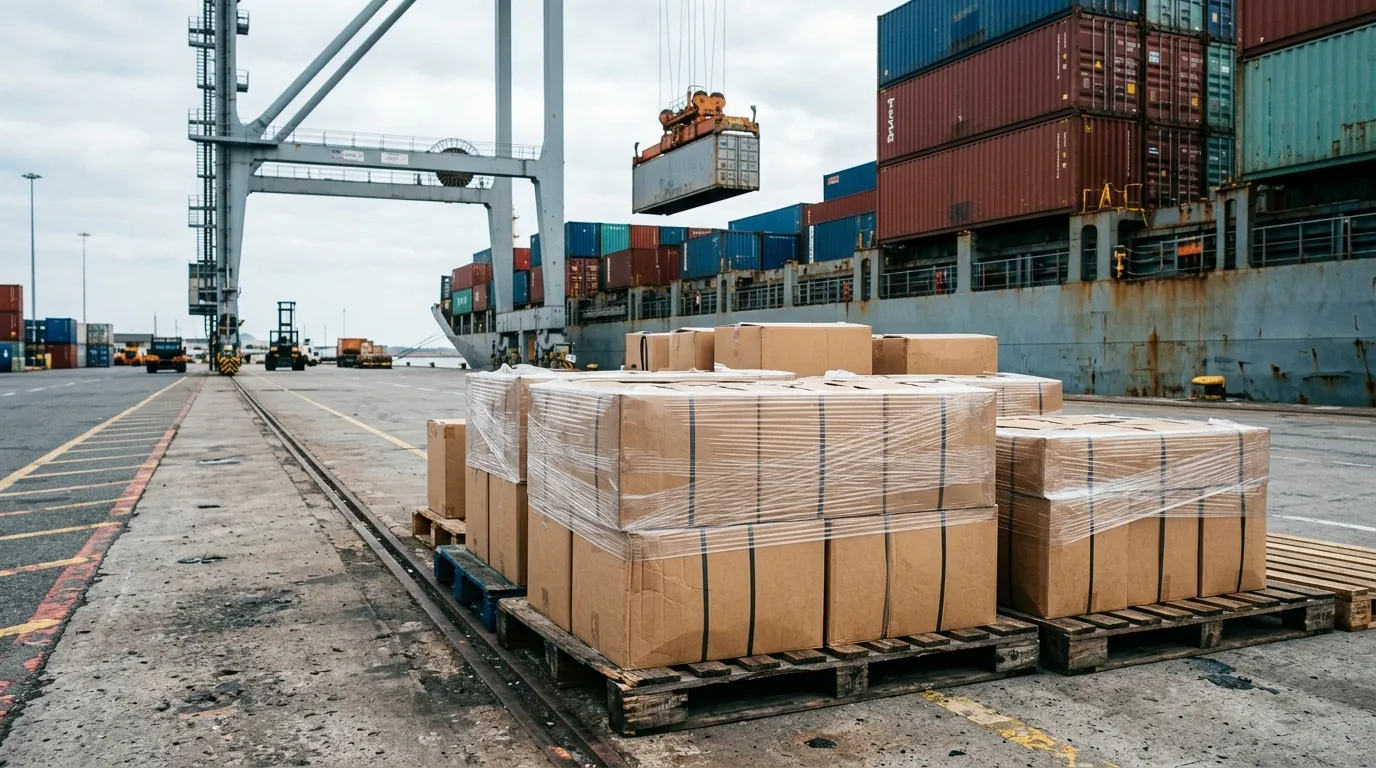
Under FOB, the buyer owns the risk and the freight and customs bill once the goods are on board at origin. Under DDP, the seller carries those responsibilities through to the named destination.
Importivity's importer guide contrasts FOB buyer control over freight and customs arrangements with DDP seller management through delivery, and recommends buyers check exactly what a DDP fee includes before accepting it. Ship4wd's Incoterms comparison notes a further structural difference: FOB is restricted to sea and inland-waterway transport, while DDP can be used with any mode of transport.
| Responsibility or risk area | FOB | DDP |
|---|---|---|
| Delivery point | On board the vessel at the named port of shipment | At the named destination, ready for unloading |
| Risk transfer point | When goods are loaded on board at origin | When goods reach the named destination |
| Main carriage arranged and paid by | Buyer | Seller |
| Export clearance | Seller | Seller |
| Import clearance | Buyer | Seller |
| Duties and taxes | Buyer | Seller |
| Cargo insurance obligation | Not required by the rule; buyer arranges its own cover | Not required by the rule; seller is not obliged to insure the buyer's goods |
| Unloading at destination | Buyer | Buyer, unless agreed otherwise in the contract |
| Permitted transport modes | Sea and inland waterway | Any mode |
[DIAGRAM: A single clothing shipment journey showing the FOB risk-transfer point at vessel loading at origin and the DDP responsibility line extending to the named destination address]
FOB is a sea rule — use FCA for air freight and pre-loading handovers
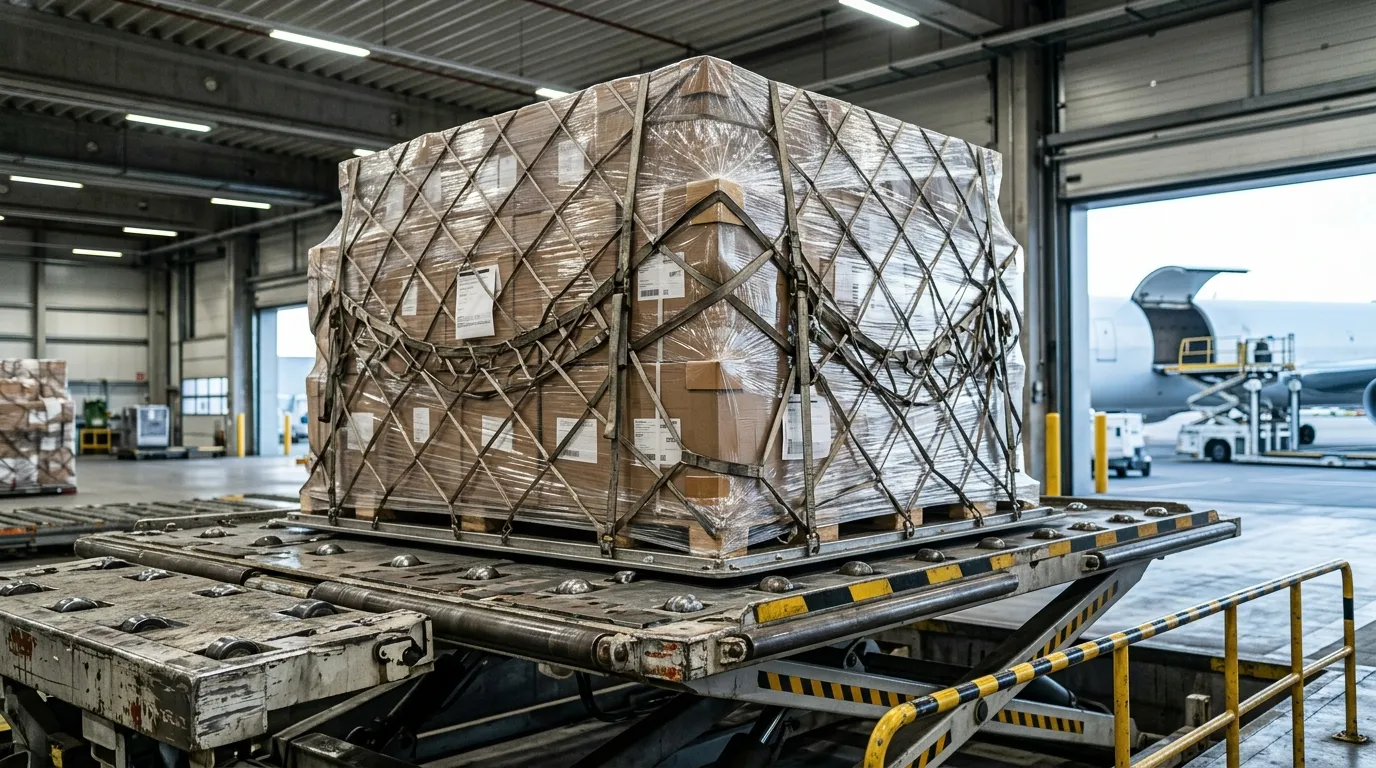
FCA (Free Carrier) is usually the more accurate term for air shipments, and for containerized apparel handed to a carrier before the goods are loaded on board the vessel. Ship4wd notes that FOB applies only to sea and inland-waterway transport, and the Lesstell guide makes the same point for apparel: if your goods fly, or if they are handed over at a terminal before vessel loading, FOB does not describe what actually happens.
How Do Cost Visibility and Control Differ?
FOB exposes each cost line separately, so the buyer can compare forwarders and control routing, while DDP bundles freight, clearance and duties into one delivered price that is easier to budget but harder to audit.
Under FOB you see ocean or inland freight, terminal charges, customs brokerage, duty and final delivery as separate amounts. That visibility lets you switch carriers, consolidate shipments or renegotiate a leg that looks expensive. Importivity notes that the FOB buyer controls freight and customs decisions rather than delegating them to the supplier.
DDP replaces those lines with one number. The advantage is predictability at the point of ordering; the disadvantage is that a bundled price hides how much of it is duty, how much is brokerage and how much is margin on freight. According to the Lesstell guide, DDP does not require the seller to buy insurance for the buyer, so "delivered" does not automatically mean "insured."
A simple decision rule: compare an itemized FOB landed-cost build-up against an itemized DDP quote. If the DDP quote does not break out duties and brokerage, the two options are not yet comparable.
Does DDP Require the Seller to Buy Cargo Insurance?
No. Delivered Duty Paid does not oblige the seller to buy cargo insurance for the buyer, even though the seller carries the risk to the destination.
The Lesstell clothing-shipping guide states this directly: DDP does not require the seller to purchase insurance for the buyer. Because DDP already keeps risk with the seller until delivery, sellers sometimes assume insurance is unnecessary, and buyers sometimes assume it is included. Neither assumption is safe on a high-value apparel shipment.
If cargo cover matters, agree in the sales contract who insures, at what value, and for which leg of the journey. The Incoterm sets the baseline obligation only.
Which Term Suits Smaller Versus Larger Clothing Orders?
Order size alone should not decide the term. DDP tends to suit buyers who have no customs broker or freight forwarder and who value one delivered price, while FOB tends to suit buyers who already work with logistics partners and want to see and control every cost line.
Capability, shipment mode and quote transparency matter more than volume. A large buyer with no import setup can still find DDP simpler, and a first-time buyer with an experienced forwarder can still get better cost visibility under FOB.
First or smaller orders
DDP is worth pricing when you have no forwarder, no import experience and prefer a single delivered cost before the goods leave the factory. Before agreeing, confirm that the seller is able to handle import formalities and act correctly at your destination; this is a legal and customs question, not just a commercial one, so check it with a licensed customs broker.
Larger or repeat orders
FOB is worth pricing when you already have a forwarder, ship regularly, want to consolidate multiple orders, or need to compare carriers and transit options. Under FOB you also control customs clearance and hold the importer-of-record role, which is useful when you manage duty strategy yourself.
One exchange-rate caveat applies to both: production timing is separate from shipping and customs timing. Minghang Garments, a custom clothing manufacturer in Dongguan operating since 2017, quotes sampling at 7–15 working days and bulk production at 25–45 days, with a minimum order quantity from 100 pcs per color per style on stock fabric. Those production windows sit before any transport time, so plan the custom apparel production timeline separately from the shipping term you choose.
What Should a DDP Quote Confirm?

A DDP quote should name the exact destination and state whether duties, taxes, brokerage and final delivery are included, along with any exclusions.
The Ninghow guide on Incoterms for apparel buyers advises checking what logistics, duties and customs are included in a supplier's quote, and Importivity gives the same caution for DDP fees. Ask for each item in writing before comparing a DDP price with an FOB price.
- The exact destination address, not just a port or a city name.
- Whether import duties and taxes are included or excluded.
- Whether customs brokerage and import clearance are covered.
- Whether the final delivery leg is included, and who unloads at destination.
- Whether cargo insurance is included, since DDP does not require it.
- Any exclusions such as demurrage, storage, detention or exceptional handling.
- Which party is named as importer of record.
[DIAGRAM: A one-page DDP quote checklist card listing destination, duties, taxes, brokerage, final delivery, insurance, exclusions and importer of record]
If you are comparing supplier terms alongside product and service questions, Minghang Garments publishes frequently asked questions covering its own manufacturing process.
What an Incoterm Does Not Decide
An Incoterm sets delivery, risk and transport-cost responsibilities. It does not set product price, payment terms, ownership transfer or delivery deadlines.
The Lesstell guide states that an Incoterms rule does not itself determine product price, payment terms, ownership transfer or delivery deadlines. That means an FOB or DDP label on a clothing order tells you who pays freight and who carries risk, but nothing about when you pay, when title passes, or what happens if production runs late. Keep those terms in the sales contract, and keep the shipping term in the purchase order. Product pricing belongs to a separate negotiation from freight and duty handling, which is why the clothing manufacturing cost breakdown and the shipping term should be read as two different documents.
Frequently asked questions
Is DDP better than FOB?
Neither term is universally better. FOB gives the buyer cost visibility, carrier choice and control of customs; DDP gives one delivered price and less administrative work. The better term for a clothing order depends on whether the buyer has logistics partners, needs to compare freight costs, and can verify what the DDP price actually includes.
Is DDP the same as FOB?
No. Under FOB, cost and risk transfer to the buyer when the goods are loaded on the vessel at the origin port. Under DDP, the seller arranges carriage and import clearance, pays applicable duties and carries risk to the named destination. They sit at opposite ends of the delivery chain.
Is DDP shipping illegal?
DDP is a standard commercial term, not an illegal practice. Legality depends on accurate customs valuation and declaration and on the destination country's rules. Buyers should confirm with a licensed customs broker that the seller can properly act on import formalities at their destination rather than relying on the Incoterm itself.
What are the 11 Incoterms?
Incoterms 2020 contains 11 rules, including EXW, FCA, FOB, CIF, DAP and DDP, according to Importivity's Incoterms comparison. FOB applies to sea and inland-waterway transport, DDP applies to any mode, and each rule assigns delivery, risk and cost responsibilities differently.
-
Share
-

-

-