 Contact Us

Table of Contents

Contact Us
Updated 1 month ago
Private Label vs White Label Clothing: What's the Difference?
arafatshuvo
White label clothing is a ready-made garment sold to multiple brands, usually customized only with labels or logos. Private label clothing is made or branded for one brand, ranging from a branded existing base to more customized development. The practical difference is product control, exclusivity, customization and MOQ, not the label alone.
Key takeaways
- White label clothing is an existing product that may be sold to several buyers; adding branding does not automatically make it exclusive.
- Private label clothing can mean branding an existing base or developing a more customized product for one brand.
- The same garment blank can serve as a white-label product for many brands or as the base of a private-label program for one.
- MOQ, cost and lead time follow whether the style uses stock fabric and components or requires custom development, dyeing, sizing or construction.
- White label suits fast demand testing; private label suits product differentiation and specification control.
What Do White Label and Private Label Clothing Mean?
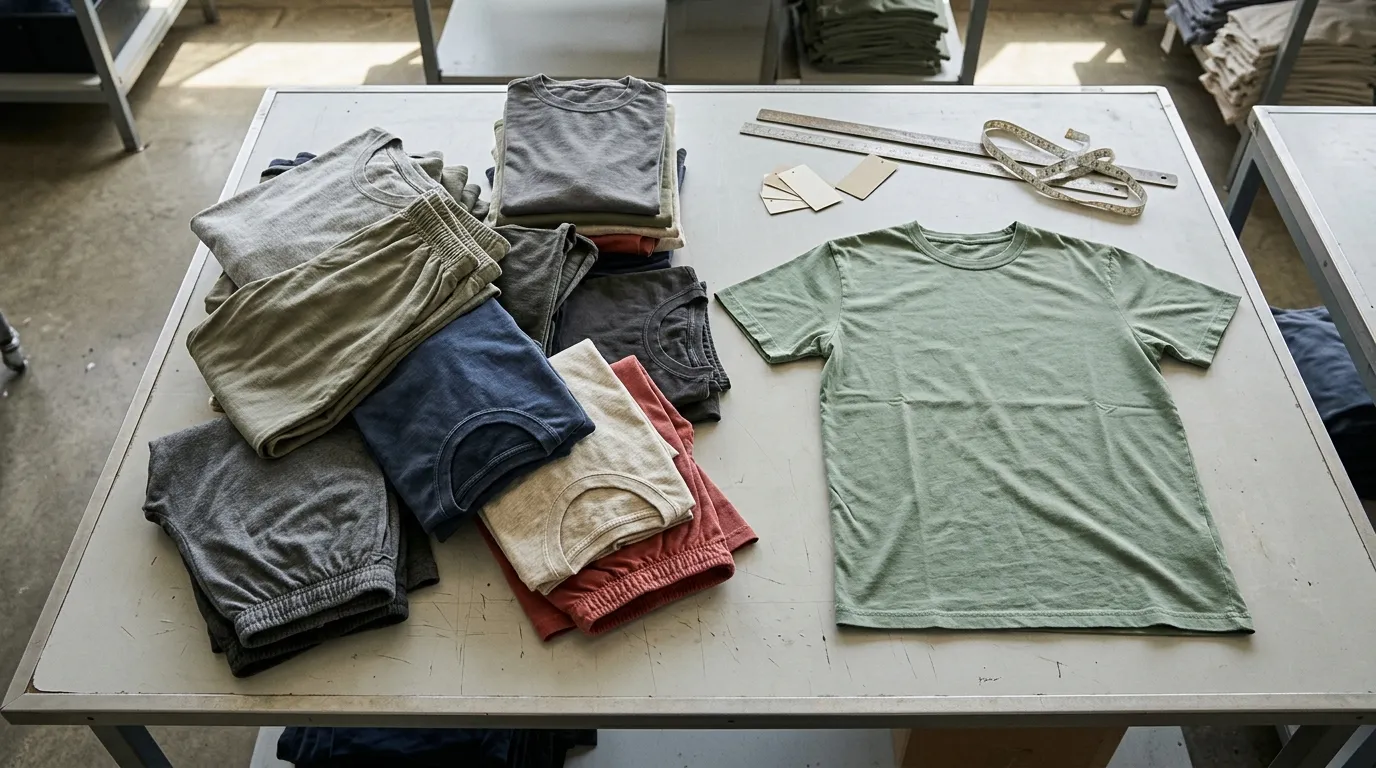
White label clothing is a pre-made garment a supplier sells to multiple brands, typically with nothing more than branding changes. Private label clothing is produced or branded for one brand and can involve substantially more product customization. The two terms describe how a garment is shared and controlled, not a fixed manufacturing standard.
White label clothing definition
White label clothing is an existing product that multiple buyers can purchase, often with only branding changes applied. According to Shopify, white-label products are pre-made products typically offered with minimal or no customization and may be sold by multiple retailers. US Standard Apparel describes white-label clothing as an existing product that remains identical across buyers apart from branding. Two brands may therefore sell the same blank, differentiated by their labels, hangtags and packaging rather than by the garment itself.
Private label clothing definition
Private label clothing is produced or branded for one brand, and it may start from an existing base or involve full custom development. Shopify defines private labeling as partnering with a third-party manufacturer to create a product exclusive to a brand, often with custom features or packaging. US Standard Apparel describes private label as ranging from branding and specification decisions on an existing base to full custom development. Because the scope is set by the supplier agreement, the term alone does not tell you how much of the product is unique.
White Label vs Private Label: The Key Differences
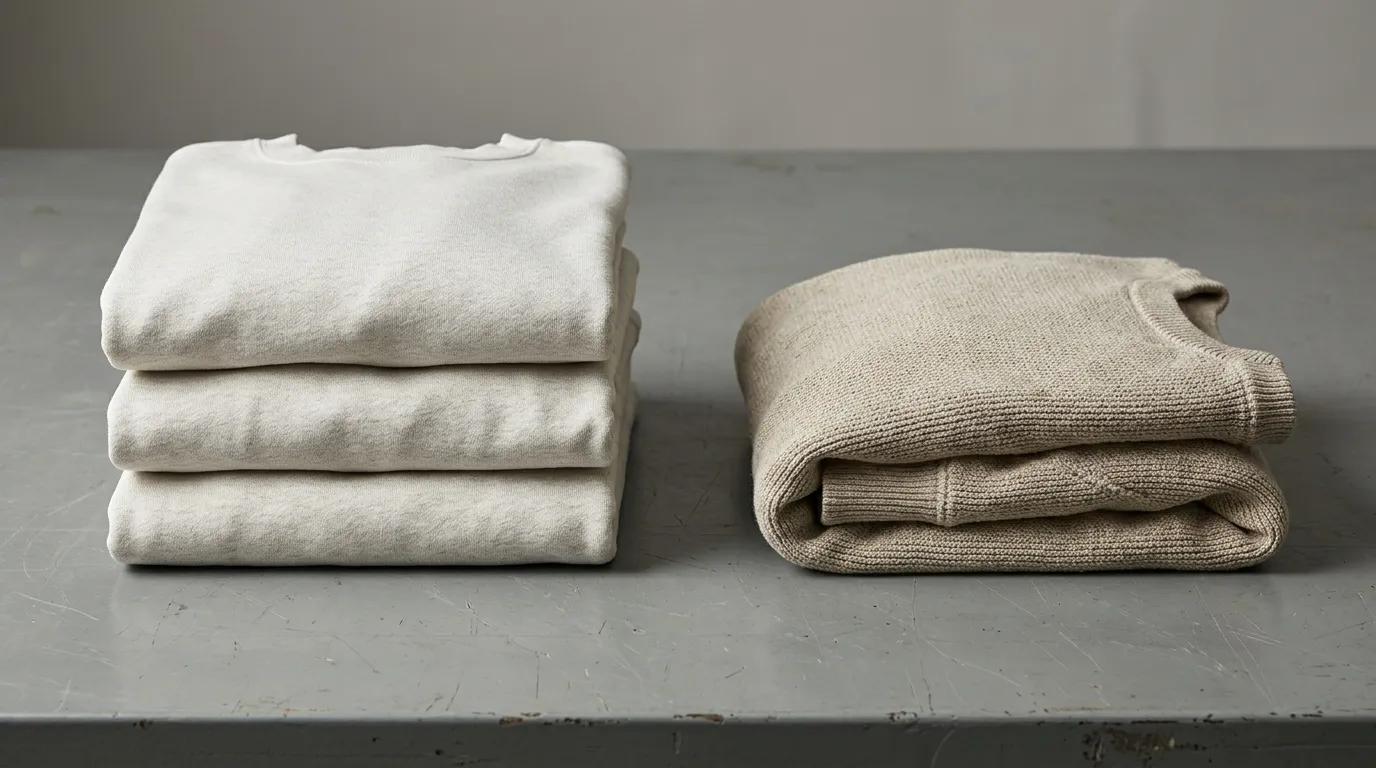
The main difference is whether the exact garment is shared with other buyers and how much of the product specification the brand controls. Branding is part of the comparison, but it is not the whole distinction. According to Shopify, private label and white label differ in customization, speed, product pricing, quality control and upfront investment. US Standard Apparel describes white label as an existing product identical across buyers apart from branding, while private label ranges from branding decisions on an existing base to full custom development.
| Dimension | White label clothing | Private label clothing | What to verify with the supplier |
|---|---|---|---|
| Product base | Pre-made or existing product | Existing base or custom-developed product | Whether this exact style is reserved or reused |
| Who can buy it | Multiple brands may buy the same product | Made or branded for one brand | Whether exclusivity is contractual or assumed |
| Exclusivity | Usually not exclusive | Can be exclusive, depending on the agreement | Which style, fabric, color and fit are protected |
| Customization | Usually branding only, or minimal options | Can extend to fabric, fit, construction and trims | What changes are allowed at each minimum |
| Branding | Logo, label, hangtag, packaging | Branding plus possible product changes | Which branded components are included |
| MOQ basis | Often tied to stock product availability | Tied to a stock base or to custom development | What minimum applies per change |
| Time to market | Usually faster when stock exists | Faster from a stock base; slower with custom development | How many sample rounds and approvals are needed |
| Cost drivers | Product price, branding, stock availability | Development, materials, minimums, sampling, branding, packaging | Verify with the supplier |
| Best use | Testing demand quickly | Building differentiation and control | Verify with the supplier |
Can White Label and Private Label Use the Same Garment Blank?
Yes. A standard garment can be sold as a white-label base to several brands, or used as the starting point for a private-label program for one brand. What changes is who else can buy that exact product and what the buyer is allowed to modify. US Standard Apparel notes that white-label clothing stays identical across buyers apart from branding, while private label can begin with decisions on an existing base before moving toward custom development. The practical test is not the name of the model but the answer to one question: are the exact style, fabric, fit, color and construction reserved for one buyer, or reused for others?
Which Model Allows More Customization?
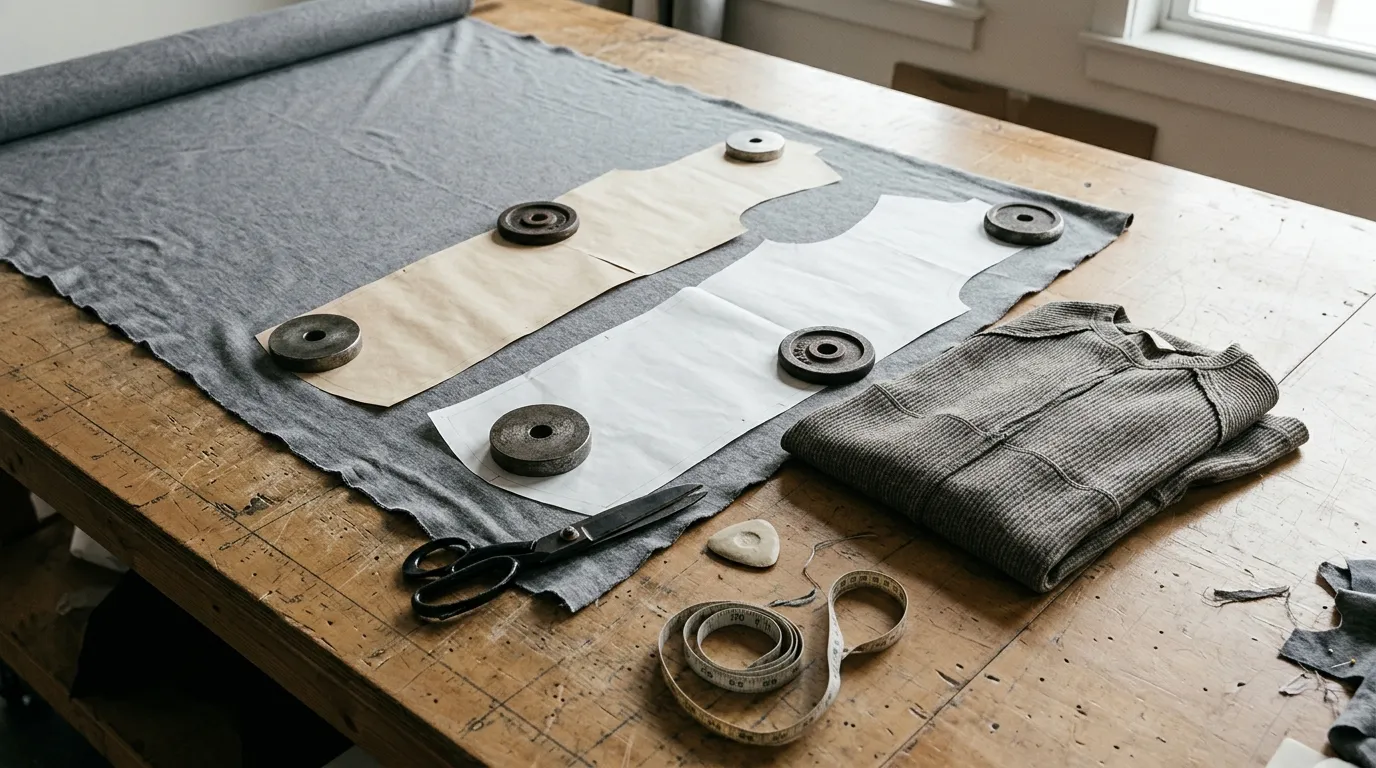
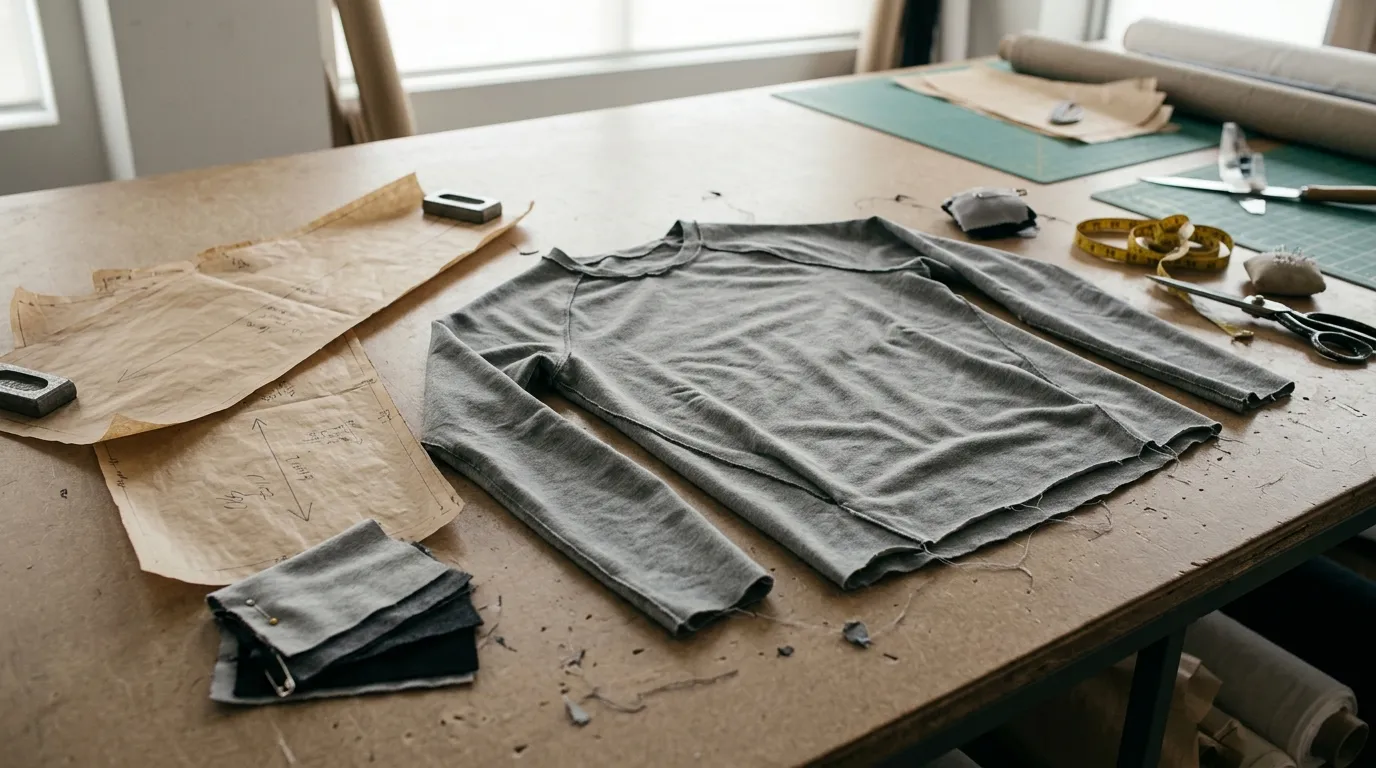
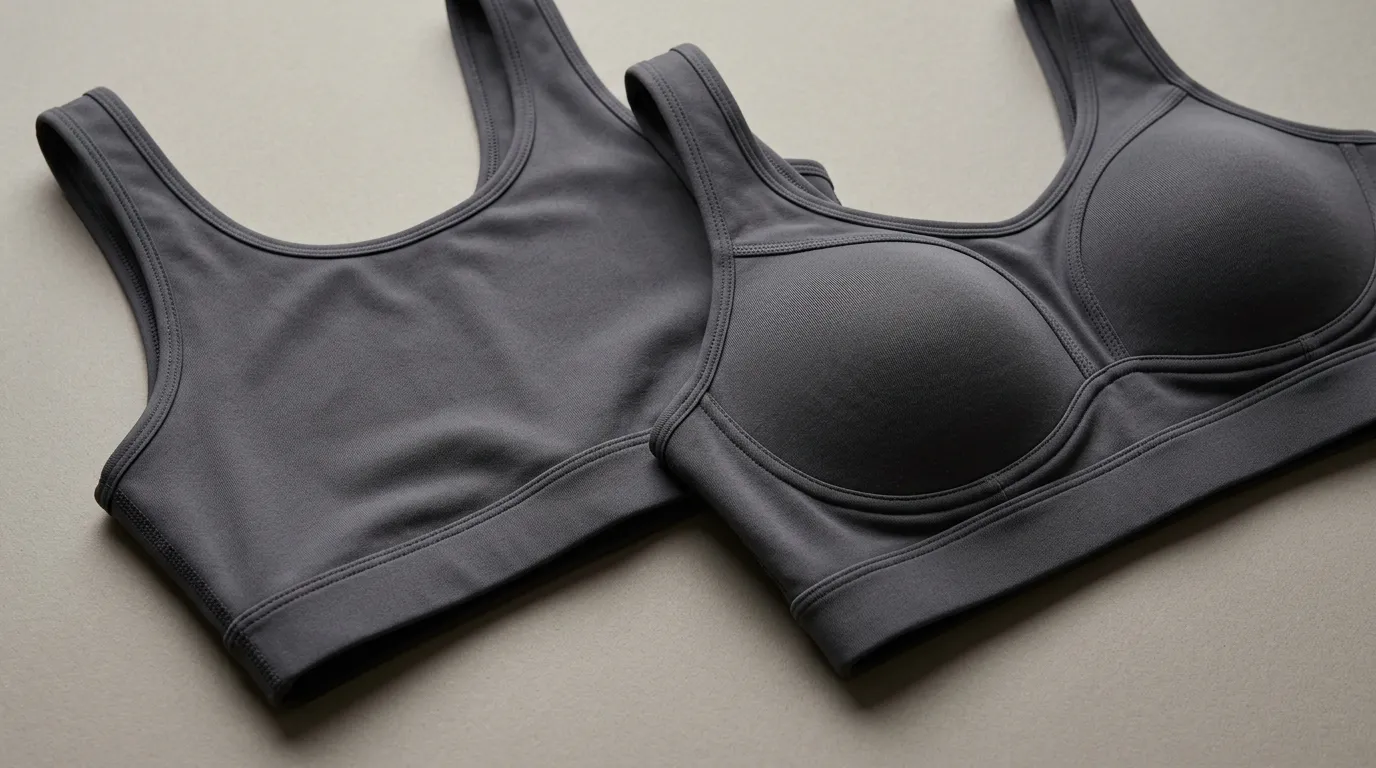
Private label usually allows more control over the finished garment, but the real scope depends on what the supplier agrees to change. White label normally limits changes to branding and minor options, while private label can extend to fabric, fit, construction and trims. Shopify notes that white-label products typically carry minimal or no customization, while private labeling often includes custom features or packaging. US Standard Apparel places private label on a range from specification decisions on an existing base to full custom development.
Branding covers more than a neck label. Main labels, care labels, hangtags and packaging sit inside the branding layer, and the custom main labels guide explains how those components are specified for apparel programs. Changing a label is still branding; changing fabric, pattern or construction is product customization, and suppliers price and schedule the two differently.
MOQ: How Minimums Differ Between White Label and Private Label
There is no single MOQ for white label or private label clothing. Minimums follow the production setup: stock fabric and components support smaller runs, while custom fabric, dyeing, sizing or construction usually push the threshold higher. Minghang Garments' MOQ starts from 100 pcs per color per style on stock fabric. For any style that departs from stock materials, the minimum is supplier-specific and should be quoted per change rather than assumed, and the moq guide covers how those thresholds are usually structured.
Ask for minimums one change at a time: blank garment, branding, fabric substitution, dyeing, pattern change and construction change. A single quoted MOQ can hide the fact that only one of those changes carries a much higher threshold. Two common mistakes are assuming a private-label label automatically raises the minimum, and assuming a white-label order has no minimum at all.
Speed to Market: Which Is Faster?
A white-label or stock-based order is usually faster because the product already exists and only branding needs approval. Private label can also move quickly when it starts from a stock base, but custom development adds sampling and approval rounds. Minghang Garments reports sampling of 7–15 working days and bulk production of 25–45 days, which apply to Minghang Garments and depend on sample and material approval rather than on whether an order is white label or private label.
Timing is driven by stock availability, the number of changes, sample rounds, fabric and trim lead time, and how quickly the buyer returns approvals. A private-label program built on an existing base can therefore move faster than a white-label order waiting on an out-of-stock blank.
Cost Drivers to Compare
Compare total cost rather than unit price, because the two models load cost in different places. Shopify discusses customization, speed, product pricing, quality control and upfront investment as the points where private label and white label diverge, and notes that private labeling often includes custom features or packaging that a branded stock garment does not carry.
Ask for quote lines rather than one figure: garment, fabric, trims, sampling, printing, embroidery, labels, packaging and quality control. Development work, higher minimums and additional sample rounds are the usual sources of a private-label cost premium, while stock availability and order volume are the usual levers on a white-label price. Confirm every line against the supplier's own assumptions rather than a general market figure.
Which Model Fits Your Brand?
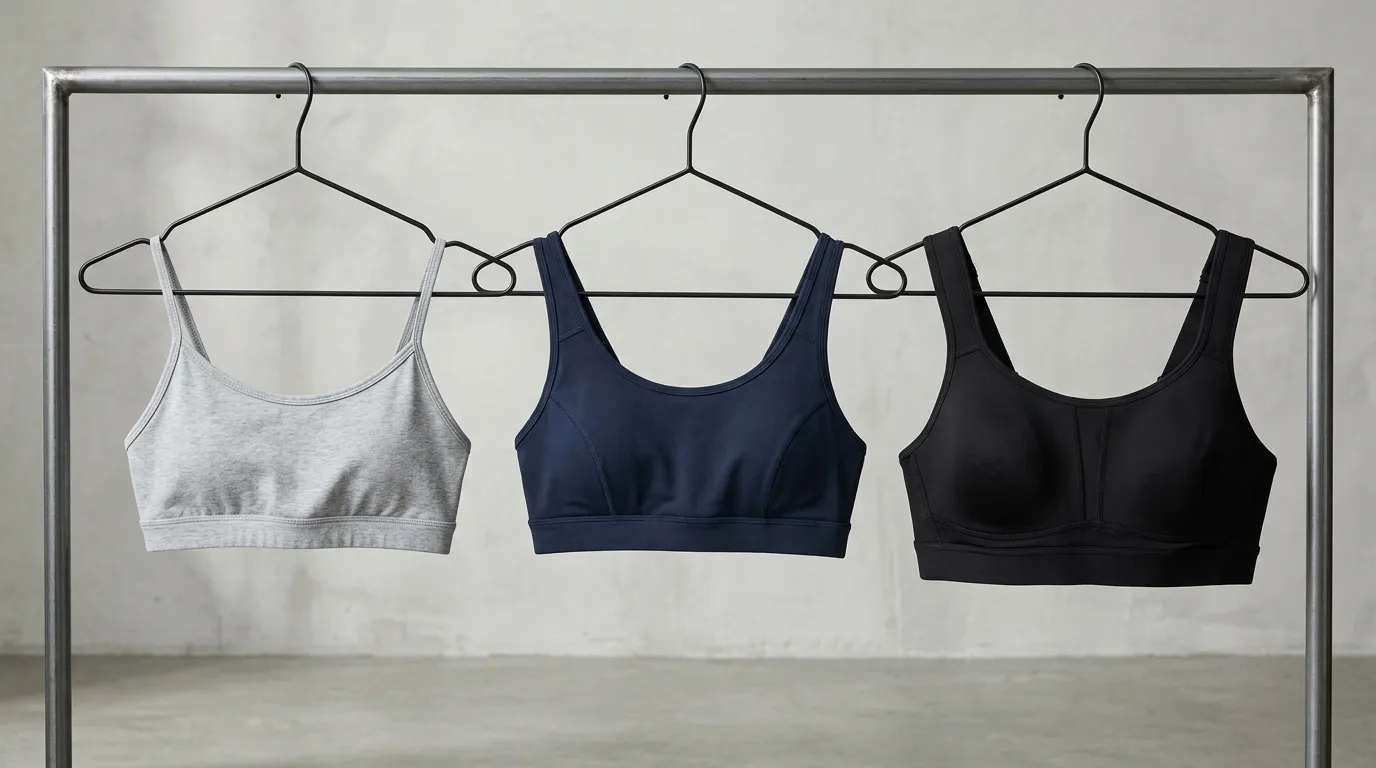
Choose white label when the priority is testing a design or a market quickly with a standard product. Choose private label when product differentiation, exclusivity or specification control matter more than speed and simplicity. Shopify frames private labeling as creating a product exclusive to a brand, often with custom features or packaging, while US Standard Apparel places private label on a range from an existing base to full custom development.
Work through this sequence:
- If speed and minimal product change are the priorities, start with a white-label or stock-base option.
- If branding comes first but product changes may follow, ask whether the supplier runs a private-label program on an existing base.
- If fabric, fit, construction or exclusivity are central, compare private-label development terms and the minimum attached to each change.
- If the supplier uses the terms OEM or ODM, confirm how that arrangement differs from private and white label; OEM vs ODM clothing covers those manufacturing models.
Supplier Questions Before You Choose
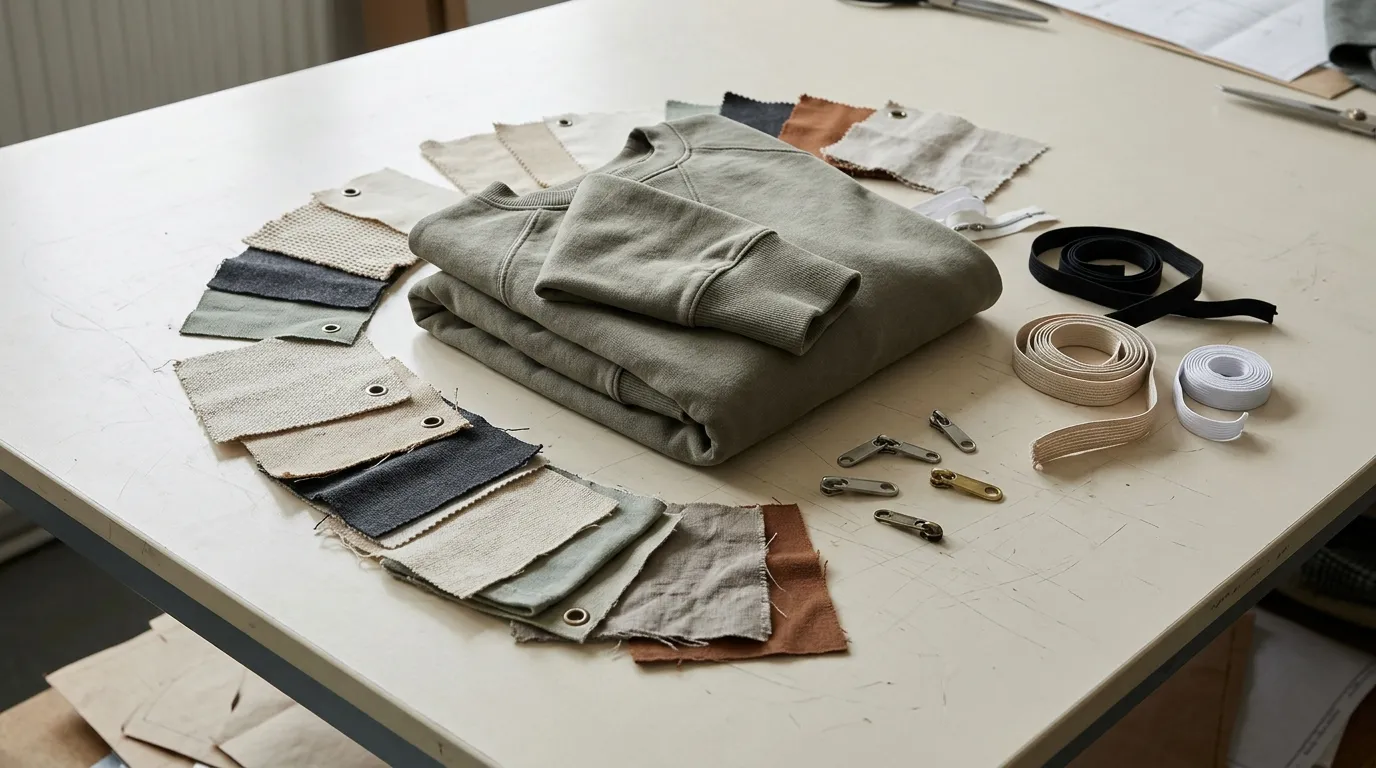
Before ordering, confirm four points in writing: what is shared with other buyers, what you are allowed to change, what minimum applies to each change, and whether exclusivity is contractual. According to Shopify, quality control and upfront investment are also points where the two models diverge, so both belong in the same conversation.
- Is this exact garment sold to other brands?
- Which elements are shared: style, fabric, fit, color or construction?
- What can be changed, and what MOQ applies to each change?
- Is exclusivity written into the agreement, or only assumed?
- Which sampling and approval steps are included?
- What quality-control steps apply before bulk production?
FAQ
Which is better, white label or private label clothing?
Neither is universally better. White label is usually faster and requires less product change, while private label offers more control and differentiation. Compare MOQ, cost, timeline and exclusivity needs against your launch goal, then choose the model that fits the product rather than the label.
What are the downsides of private label clothing?
Private label can involve more upfront development, higher minimums and longer timelines than a white-label order. It also depends more heavily on the supplier's capability and on clear agreements covering exclusivity, quality control and approvals. Confirm those terms before placing a production order.
Is private label clothing always exclusive?
No. Exclusivity is contractual and product-specific. A supplier may reserve one style for a buyer while continuing to sell a similar base to others, or may not offer exclusivity at all. Ask which elements are protected and state them in the agreement.
If you are weighing a stock-base program against custom development, Minghang Garments can review the specific changes for a style. The company has operated in Dongguan, China since 2017, runs a 12,000 m² production floor and a 2,000 m² sample center with up to 500,000 pcs/month capacity, and works to a 5+1 QC system.
-
Share
-

-

-