 Contact Us

Table of Contents

Contact Us
Updated 1 month ago
Private Label vs Custom Clothing Manufacturing: What's the Difference?
arafatshuvo
Private label manufacturing usually means applying a brand's own branding to an existing manufacturer-developed garment base, sometimes with minor changes. Custom clothing manufacturing means developing a cut-and-sew garment around the brand's specifications, including pattern, fit, fabric, trims and construction. In practice, the line between them varies by supplier, so confirm what each manufacturer includes.
Key takeaways
- Private label typically starts with an existing garment base; custom manufacturing starts with the brand's own product specifications.
- "Private label" is used differently across suppliers, so confirm what the term covers in each quote before comparing prices.
- MOQ is not automatically lower for private label. Minghang Garments states that stock-fabric styles start at 100 pcs per color per style, custom-developed fabric or dyeing typically requires 300–500 pcs, and seamless products start at 500 pcs per color, size and style.
- Custom work usually adds pattern development, size grading and sampling rounds, which changes both development workload and timeline.
- Exclusivity comes from contract terms and pattern ownership, not from the words "private label" or "custom."
What Is Private Label Clothing Manufacturing?
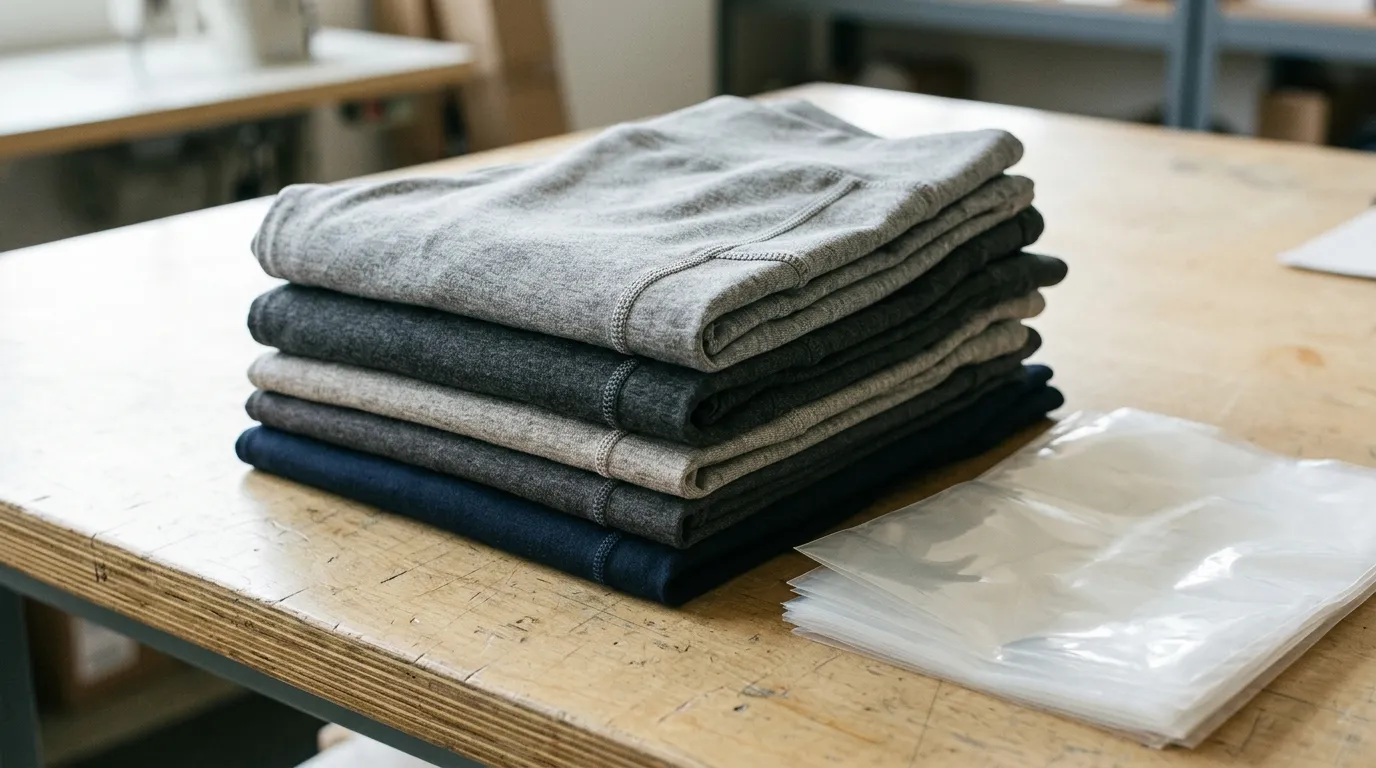
Private label clothing manufacturing is the production of garments sold under the buyer's own brand name, with the manufacturer handling the technical and production work. In many supplier offers, private label means choosing an existing manufacturer-developed base and adding branding, labels, tags or agreed minor modifications.
Istanbul Factory's 2026 guide describes private-label production this way and notes that the degree of customization varies by project. Argus Apparel's March 2026 guide makes the same distinction: private label usually builds on existing manufacturer styles, while custom manufacturing is built around a brand's specifications. MFG Merch discusses private label alongside white label, which is one reason the vocabulary differs from supplier to supplier.
The practical point is that a private-label offer can range from "choose a base and add your label" to a service that includes fabric changes and construction adjustments. Ask which base styles are available, what modifications are allowed, who owns the base design, and whether the same base can be sold to other brands.
What Is Custom Clothing Manufacturing?
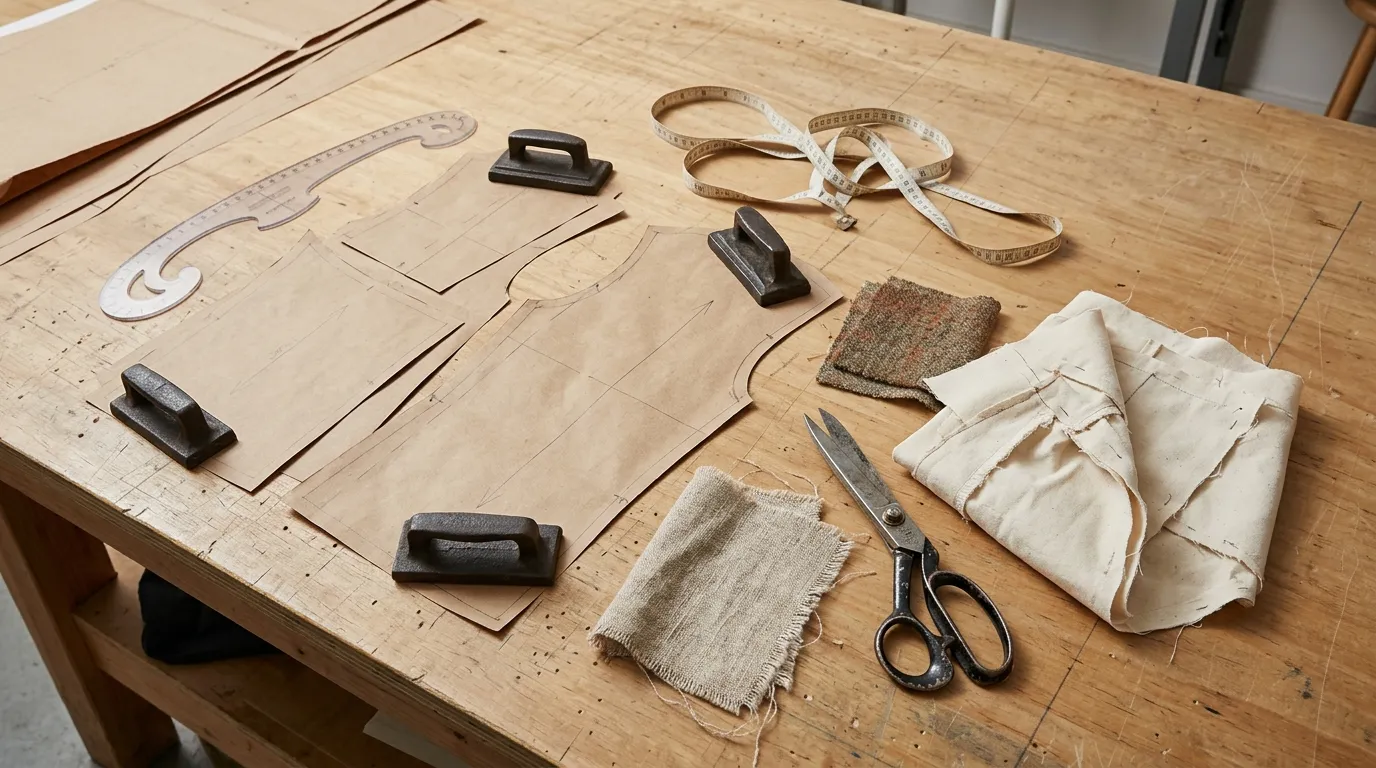
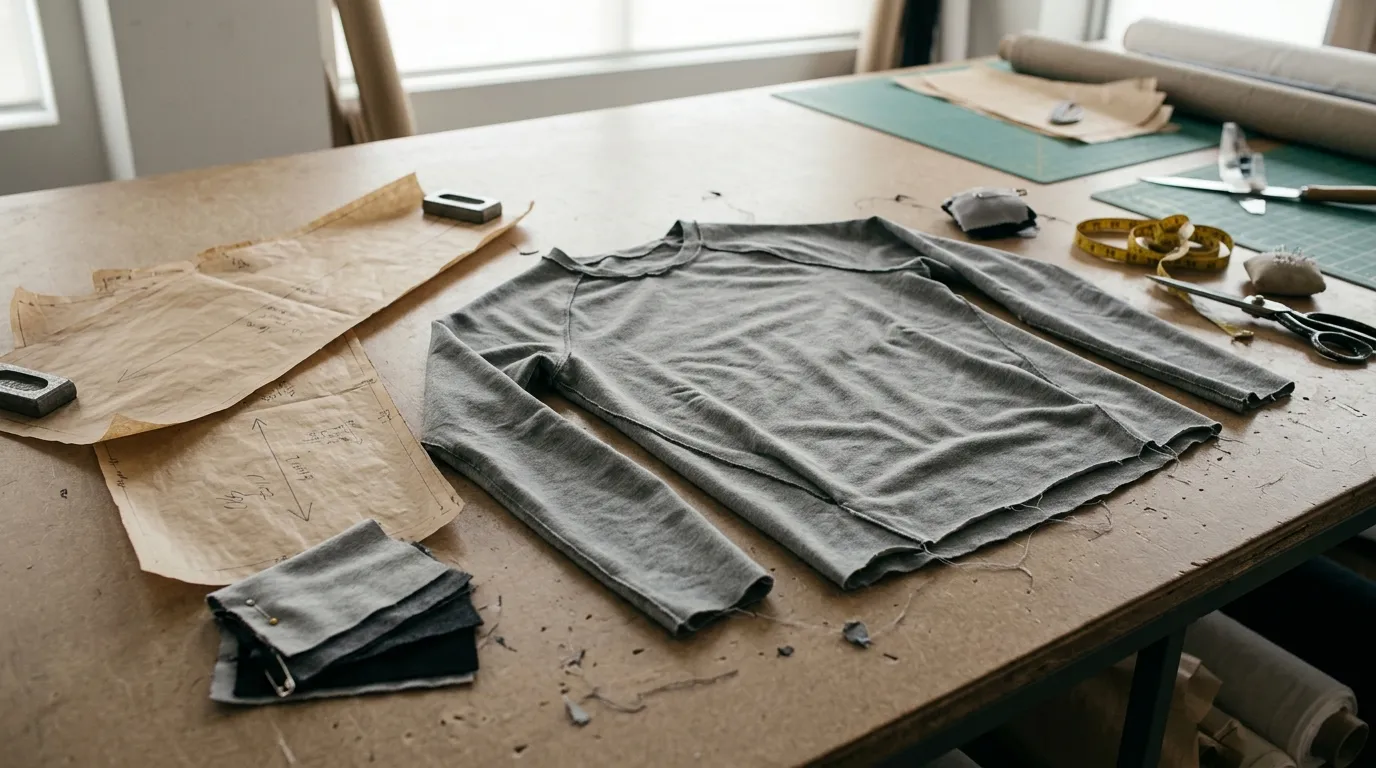
Custom clothing manufacturing is the development and production of a garment built around the brand's own specifications rather than an existing manufacturer style. It usually starts from a tech pack, reference sample or product idea.
Argus Apparel's March 2026 guide contrasts custom apparel manufacturing, which is built around a brand's specifications, with private label based on existing styles. Portugal Clothing Factory lists pattern development, sampling and size grading among the components of custom development work. Minghang Garments' OEM/ODM page notes that both OEM and ODM projects can include private-label branding and packaging — labels, hangtags and selected branded trims or packaging elements — which shows how often branding and customization overlap in one order.
Before briefing a manufacturer, ask whether the quoted service includes pattern making, fit samples, size grading, fabric sourcing and construction changes. These items are usually what separates a custom quote from a private-label quote.
The Core Difference: Branding an Existing Base vs Developing a Cut-and-Sew Garment
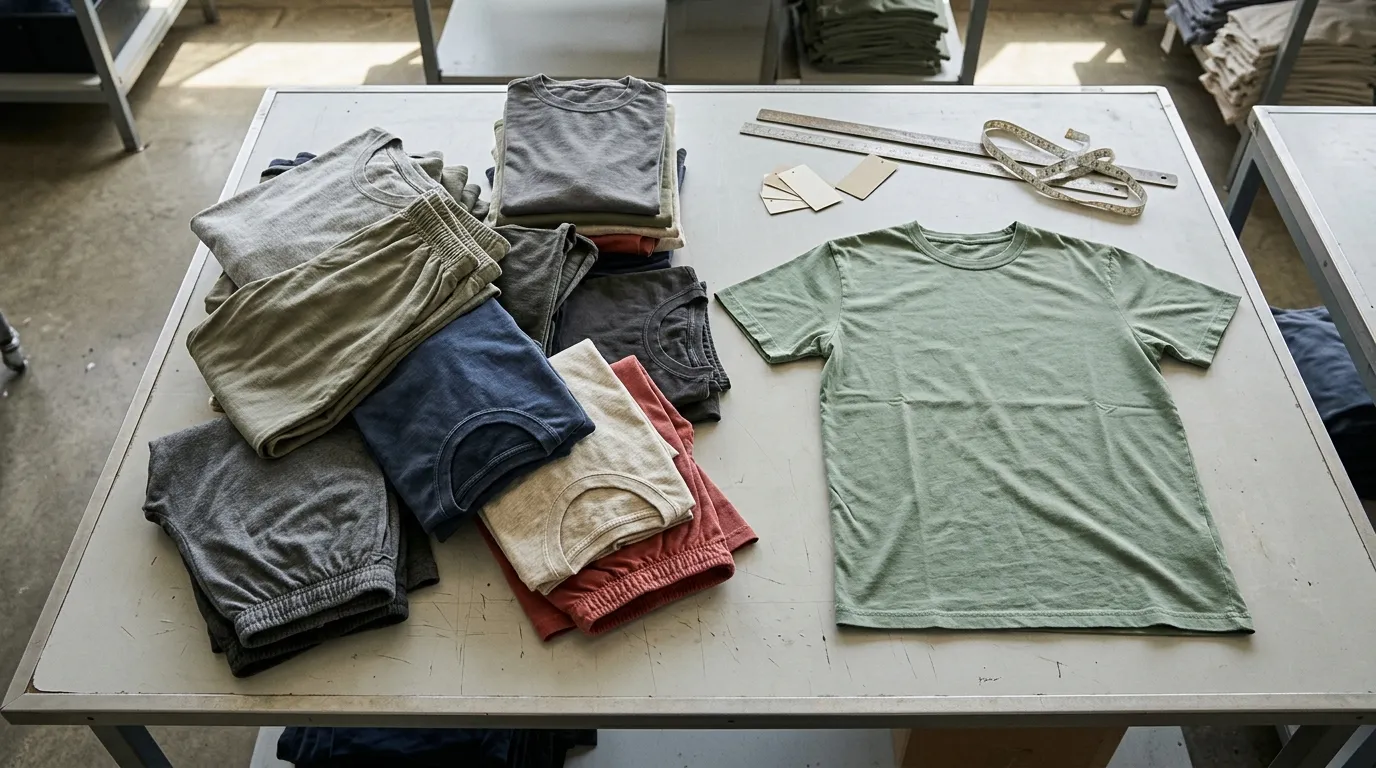
The practical difference is where the product definition starts. Private label often begins with an existing base and applies branding or minor changes; custom manufacturing begins with the brand's cut, fit, fabric and construction requirements.
Argus Apparel's March 2026 guide frames private label around existing manufacturer styles and custom work around brand specifications. Istanbul Factory's 2026 guide adds that the degree of customization varies by project, so the boundary is not fixed across suppliers. Custom development commonly includes pattern development, sampling and grading, according to Portugal Clothing Factory.
| Compare | Private label (existing base typical) | Custom manufacturing (brand-specified typical) | What to confirm |
|---|---|---|---|
| Starting point | Existing manufacturer base | Brand idea, tech pack or reference sample | Which base styles are available |
| Pattern and fit | Usually unchanged or minor adjustment | Developed to the brand's fit | Who owns the pattern |
| Fabric and trims | Usually chosen from available options | Selected or developed for the product | MOQ and lead-time impact |
| Construction | Limited changes | Open to construction changes | Sampling required |
| Branding | Labels, tags, packaging and decoration | Labels, tags, packaging and decoration | Whether branding is included in the quote |
| Sampling workload | Lower if the base is already proven | Higher if fit or materials change | Number of sample rounds included |
| Exclusivity | Defined by the contract and base reuse | Defined by the contract and pattern ownership | Reuse and confidentiality terms |
| Best use | Testing demand with a proven base | Differentiated fit, fabric or signature design | Budget and timeline |
How Do MOQ Requirements Compare?
MOQ is not automatically determined by the term "private label" or "custom." It depends on fabric availability, color, dyeing, construction and production setup. Minghang Garments states that regular activewear, yoga and streetwear styles using available stock fabrics start at 100 pcs per color per style.
The same source gives two other tiers: custom-developed fabrics or dyeing typically require 300–500 pcs, and seamless products start at 500 pcs per color, size and style. Minghang Garments' OEM/ODM page adds that stock materials can shorten development time, while custom-developed fabrics, custom dyeing or specialty trims may require additional lead time and higher minimum quantities.
Those figures are specific to Minghang Garments and to those production conditions. They are not a general market rule that custom manufacturing always requires a higher MOQ than private label, because a private-label order using a special color or an imported trim can carry its own minimums. Verify minimums by style, fabric, color and construction rather than by category name — the moq guide explains how those order conditions are usually reviewed.
| Scenario | Minghang Garments stated starting point | Why it changes |
|---|---|---|
| Regular activewear, yoga or streetwear on stock fabric | 100 pcs per color per style | Stock material availability |
| Custom-developed fabric or dyeing | Typically 300–500 pcs | Material development and dyeing setup |
| Seamless products | 500 pcs per color, size and style | Seamless production constraints |
How Do Development Time and Sampling Compare?
An existing base can reduce pattern and sampling work, while custom cut-and-sew usually adds fit, pattern and material approvals. Minghang Garments states that sampling typically takes 7–15 working days depending on product complexity, fabric and customization, and that bulk production generally takes 25–45 days after sample and material approval.
Two things are worth separating here. Development time covers pattern making, fit samples and material approvals; bulk time covers production after those approvals. A project with a proven base can move to bulk sooner, but it can still wait on fabric availability or artwork approval.
Minghang Garments' OEM/ODM page notes that stock materials can shorten development time, while custom-developed fabrics, custom dyeing or specialty trims may require additional lead time and higher minimum quantities. Before placing an order, ask whether the quote includes pattern making, how many sample rounds are covered, and the exact point at which the bulk-production clock starts. The sampling process guide walks through prototype review and approval before bulk production.
How Do Costs Compare?
Cost differences come from development work, materials, construction, decoration and order volume, not from the category label alone. A base garment can reduce pattern and sampling scope, while custom work can add pattern development, grading and sample rounds.
Published figures are rarely comparable across factories. Portugal Clothing Factory, for example, publishes its own group's quoted Portugal prices for cotton tees — €4.50–€9 per unit for private label and €7–€18 per unit for custom — and identifies them as its group's quotes rather than a market benchmark. The same page lists pattern development, sampling and grading as custom development components. Those numbers should not be applied to Minghang Garments or to manufacturers in other countries.
Compare total landed cost instead of unit price. Development, sampling rounds, material minimums, packaging, decoration setup, freight and duties all sit inside the final number, and an apparently cheaper unit price can cost more if it forces excess stock.
| Cost driver | Private label typical | Custom typical | What to confirm |
|---|---|---|---|
| Pattern development | Often existing | Usually new or adapted | Included in the quote or billed separately |
| Sampling | Fewer rounds if the base is proven | More rounds likely | Number of rounds included |
| Fabric and trims | Chosen from available options | Sourced or developed | MOQ and lead-time impact |
| Construction | Limited changes | Open to changes | Effect on bulk unit cost |
| Decoration | Labels, printing, embroidery | Labels, printing, embroidery | Setup fees: verify with the supplier |
| Packaging | Standard or branded | Standard or branded | Unit cost and minimum quantity |
| Freight and duty | Route-dependent | Route-dependent | Total landed cost |
How Does Exclusivity Compare?
Exclusivity is not guaranteed by either model. It depends on the contract, on whether the base style is shared with other buyers, on who owns the patterns, and on whether the manufacturer sells similar designs elsewhere.
The sources reviewed for this comparison do not establish a general rule that private-label bases are exclusive. Argus Apparel's March 2026 guide describes private label as typically built on existing manufacturer styles, which are commonly offered to more than one buyer. Istanbul Factory's 2026 guide notes that the degree of customization varies by project, and that variation affects how much of a product is unique to the buyer.
Put the answers in writing before production: reuse of base styles, any exclusivity period, pattern ownership, design confidentiality, and whether similar products can be offered to competing brands in the same market.
Which Model Fits Your Brand?
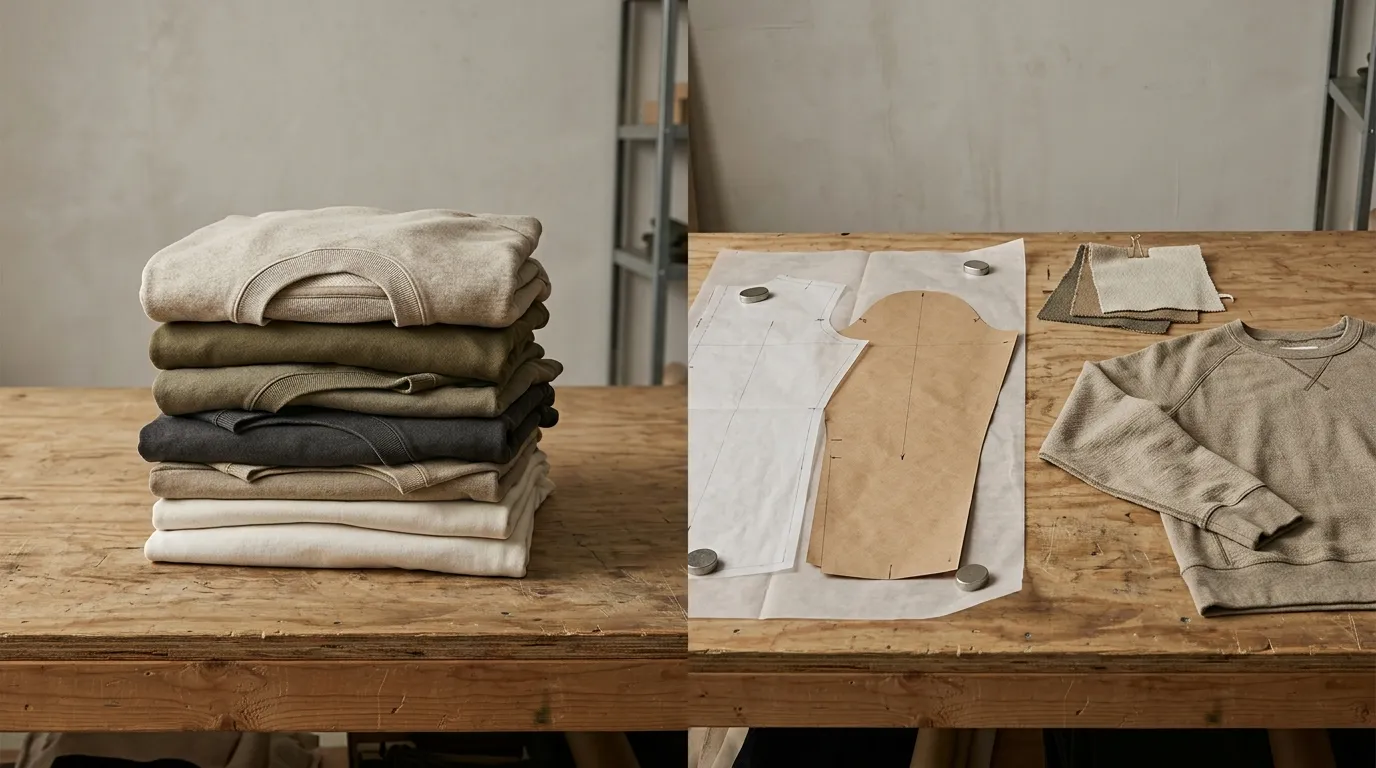
Choose private label when speed, a lower development load and a proven base matter more than a unique fit; choose custom manufacturing when fit, material, construction or a signature design is part of what the brand sells.
Cord Apparel's guide covers the pros and cons of each route and notes that brands can combine them, and Portugal Clothing Factory also discusses hybrid use and the trade-offs between control, cost and speed. The deciding factors are usually commercial rather than technical.
- Is this product meant to test demand or to express a distinctive fit and design?
- Is fit critical enough to justify a new pattern?
- Does the fabric need to be developed or dyed?
- What order quantity can the brand fund without carrying excess stock?
- Does the timeline allow for sampling rounds and material approvals?
- Does exclusivity matter for this style or market?
- Can the product scale if it sells?
If you want a straight answer for your own product, share the style, target quantity and fabric preference with Minghang Garments, a Dongguan-based custom clothing manufacturer, and ask which route your project fits under its stated MOQ conditions.
Can You Use Both or Move From Private Label to Custom?
Yes. A brand can test demand with an existing base, then move a proven product into custom cut-and-sew development. Cord Apparel notes that brands can combine approaches, and Portugal Clothing Factory discusses hybrid use of private label and custom manufacturing.
The transition is not automatic. Moving from a base garment to a custom version usually requires a tech pack, a new or adapted pattern, fit samples, material specifications and a revised MOQ review, because fabric and construction choices change minimums and lead time. Minghang Garments' OEM/ODM page notes that both OEM and ODM projects can include private-label branding and packaging, so a brand can keep its labels, hangtags and packaging consistent across both stages.
A practical sequence is to use private label for the first market test, then move to custom development once fit, fabric or design differentiation starts affecting repeat purchases.
OEM, ODM, Private Label and Custom: Terminology Check
OEM and ODM describe development and manufacturing arrangements; private label often describes branding; custom describes how closely a product is built to the buyer's specifications. These terms overlap, which is why two suppliers can quote the "same" service differently.
Minghang Garments' OEM/ODM page states that both OEM and ODM projects can include private-label branding and packaging, including labels, hangtags and selected branded trims or packaging elements. That is one clear example of private-label branding sitting inside an OEM or ODM arrangement rather than being a separate category. The OEM vs ODM clothing page explains the two arrangements in more detail.
FAQ
Is private label the same as custom clothing manufacturing?
No. Private label often means applying the brand to an existing manufacturer-developed base, sometimes with minor changes. Custom manufacturing means developing the garment around the brand's specifications, including pattern, fit, fabric and construction. Supplier terminology varies, so confirm what each manufacturer includes before comparing quotes.
Does private label always have a lower MOQ than custom manufacturing?
No. MOQ depends on fabric, color, dyeing, construction and production setup. Minghang Garments states that stock-fabric styles start at 100 pcs per color per style, custom-developed fabrics or dyeing typically require 300–500 pcs, and seamless products start at 500 pcs per color, size and style. Confirm minimums by project.
Can I use my own labels and packaging with custom manufacturing?
Yes. Minghang Garments' OEM/ODM page states that both OEM and ODM projects can include private-label branding and packaging, including labels, hangtags and selected branded trims or packaging elements. Confirm the exact branding items, artwork requirements and any additional MOQ or lead time before production starts.
How long does private label or custom clothing manufacturing take?
Minghang Garments states that sampling typically takes 7–15 working days depending on product complexity, fabric and customization, and that bulk production generally takes 25–45 days after sample and material approval. An existing base may reduce development work, while custom fabrics, dyeing or specialty trims may add time.
-
Share
-

-

-